Working Principle:
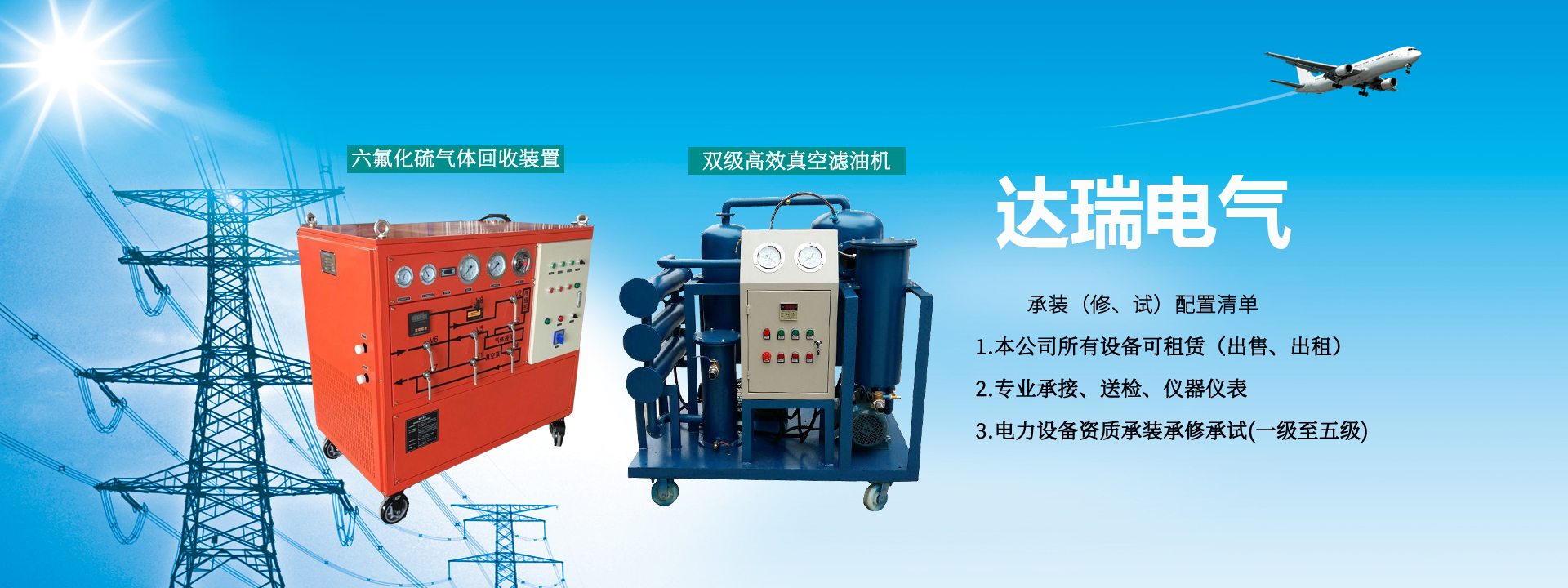
The vacuum oil suction machine is designed based on the different boiling points of water and oil. It consists of a vacuum heating tank, fine filter, condenser, primary filter, water tank, vacuum pump, oil discharge pump, and electrical cabinet. The vacuum pump extracts air from the vacuum tank to create a vacuum, and external oil enters the primary filter through the inlet pipe under atmospheric pressure to remove larger particles. Then it enters the heating tank, where oil heated to 40~75°C passes through an automatic oil float valve, which automatically controls the balance of oil entering and leaving the vacuum tank. The heated oil is rapidly spun by spray wings into a semi-mist state, causing water in the oil to evaporate quickly into steam, which is continuously drawn into the condenser by the vacuum pump. The steam entering the condenser is cooled and returned to water for discharge. The oil in the vacuum heating tank is pumped by the discharge pump into the fine filter, where particulate impurities are filtered out through filter paper or filter elements, completing the entire process of rapidly removing impurities, water, and gas from the oil, and discharging clean oil from the outlet.
Instructions:
Connect the oil inlet and outlet pipes, connect 380V power, connect the safety ground wire, check that all circuits are safely connected, and that all oil circuit valves are open. After ensuring everything is ready, proceed with operation. First, start the cooling water pump and check that the water circuit circulates normally. Then jog the vacuum pump to ensure oil in the pump runs normally, and then run the vacuum pump continuously. When the vacuum surface reaches its limit, open the oil inlet valve until oil is visible in the lower sight glass of the vacuum tank, then start the discharge pump switch to begin discharging oil and filtering impurities, ensuring normal oil circulation. Turn on the heater switch to evaporate water from the oil. If the oil contains a lot of water, the oil mist level in the vacuum tank will rise. At this time, open the vent valve to adjust the vacuum to an appropriate level. When the water content decreases and the oil float drops, close the vent valve to achieve maximum vacuum. Pay attention to the readings of all instruments. If the pressure gauge reads greater than 0.3MPa, it indicates that the filter paper in the fine filter has absorbed a lot of impurities and needs to be replaced with new filter paper. After work is completed, refer to the working principle, open the vent valve to bring the vacuum to normal atmospheric pressure, drain the oil from the tank, and discharge the remaining oil from the oil drain plug to prevent mixing with different types of oil during next use. In winter, pay special attention to draining water from the vacuum pump and water tank to prevent freezing damage.
Precautions:
1. When connecting power, ensure the ground wire is properly connected before operation.
2. Before operation, check that the motor rotation direction matches the arrow direction.
3. Do not turn on the heater without oil circulation, as it may burn out the heater or even cause an explosion.
4. Before discharging oil, open all valves on the outlet pipe.
5. The working environment temperature should not be below -30°C or above +40°C.