In modern power systems, sulfur hexafluoride (SF6) is widely used in high-voltage switchgear, circuit breakers, and other electrical equipment due to its excellent electrical insulation and arc-extinguishing properties. However, SF6 is also a potent greenhouse gas with a global warming potential (GWP) thousands of times higher than carbon dioxide. Therefore, proper handling and recovery of SF6 are not only crucial for environmental protection but also an important part of ensuring the safe operation of power equipment. This article will detail the process, equipment, and importance of SF6 vacuuming and recovery.
1. What is SF6?
Sulfur hexafluoride (SF6) is a colorless, odorless, non-toxic, and extremely chemically stable gas. It has excellent electrical insulation and arc-extinguishing capabilities, effectively preventing the formation and spread of arcs under high voltage conditions. Due to these characteristics, SF6 is widely used in high-voltage switchgear, circuit breakers, transformers, and other electrical equipment to enhance their safety and reliability.
2. Why is SF6 vacuuming and recovery necessary?
Despite its many advantages in electrical equipment, SF6 is also a very potent greenhouse gas. If released directly into the atmosphere without proper treatment, it can cause serious harm to the environment. Therefore, strict measures must be taken to recover and handle this gas during maintenance, repair, or replacement of electrical equipment containing SF6.
Additionally, the vacuuming and recovery process can effectively detect any leaks in the equipment, ensuring its sealing and safety. This is crucial for preventing potential faults and accidents.
3. Working principle of SF6 vacuuming and recovery
SF6 vacuuming and recovery typically includes the following steps:
Vacuuming:
Use a dedicated vacuum pump to thoroughly extract air and other impurities from the equipment, ensuring the interior reaches a state close to absolute vacuum. This step not only helps remove residual gases but also creates favorable conditions for subsequent SF6 filling.
SF6 recovery:
Use recovery devices to collect the SF6 gas from the equipment, purify it, and store it in dedicated containers. During the recovery process, filters are typically used to remove moisture, oil, and other impurities from the gas, ensuring that the recovered SF6 can be reused.
SF6 filling:
After completing equipment maintenance or repair, purified SF6 gas needs to be refilled into the equipment. This process requires precise control of the filling amount to ensure optimal working conditions.
4. Main equipment and functions
Vacuum pump:
Used to extract air and other gases from the equipment to achieve the required vacuum level.
SF6 recovery device:
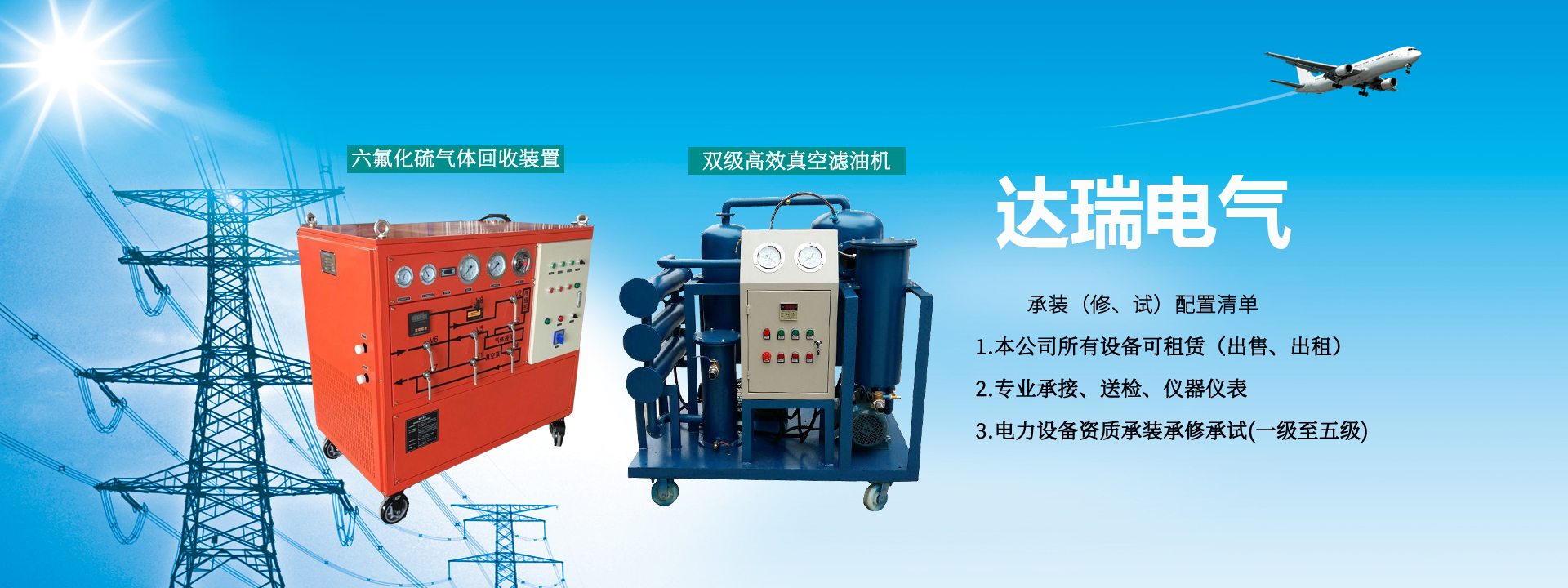
Includes components such as compressors, condensers, and filters, capable of efficiently recovering, purifying, and storing SF6 gas.
SF6 analyzer:
Used to test the quality of recovered gas to ensure it meets standards for reuse.
Gas storage tank:
Used to store recovered SF6 gas for subsequent purification and reuse.
5. Application scenarios
Power system maintenance:
During routine maintenance or fault repair of high-voltage switchgear, circuit breakers, and other equipment in substations, SF6 vacuuming and recovery operations must be strictly carried out according to specifications.
Equipment manufacturing and installation:
New equipment must undergo strict quality inspection before leaving the factory to ensure the purity and sealing of the internal SF6 gas meet standards.
Emergency response:
In the event of an accidental SF6 leak, immediate measures must be taken to vacuum and recover the gas to minimize environmental impact.
6. Selection considerations
When selecting SF6 vacuuming and recovery equipment, the following factors should be considered:
Scope of application:
Choose the appropriate equipment model based on the type and scale of equipment to be handled.
Efficiency and precision:
Ensure the selected equipment has efficient recovery capabilities and precise control systems to meet actual needs.
Ease of use:
Including user interface friendliness, portability, and other factors.
Additional features:
Such as automatic monitoring and alarm functions, and the ability to interconnect with other devices.
7. Future trends
With increasing environmental awareness and technological advancements, SF6 vacuuming and recovery technology is also continuously developing. Future trends include:
Intelligent upgrades:
Introducing Internet of Things (IoT) technology for remote monitoring and data analysis, facilitating cross-regional collaboration and management.
Higher energy efficiency:
Improving equipment energy efficiency to reduce energy consumption and operating costs.
More user-friendly interfaces:
Adopting touchscreen technology and intuitive operation interfaces to simplify user processes.
8. Summary
SF6 vacuuming and recovery is not only an important part of ensuring the safe operation of power equipment but also a key measure for environmental protection and fulfilling social responsibility. Professional manufacturers such as Yangzhou Dairui Electric Co., Ltd. provide high-quality SF6 vacuuming and recovery equipment, based on a deep understanding of these fundamental principles and continuous technological innovation, offering solid support and assurance to enterprises and individual users. Whether for power companies or industrial enterprises, the rational use of this tool will have a positive impact on their daily operations and maintenance. It helps to promptly identify potential issues and effectively prevent environmental pollution and safety hazards caused by SF6 leaks, ensuring the stable operation of the power system. Choosing the right SF6 vacuuming and recovery equipment means choosing quality and trust.