
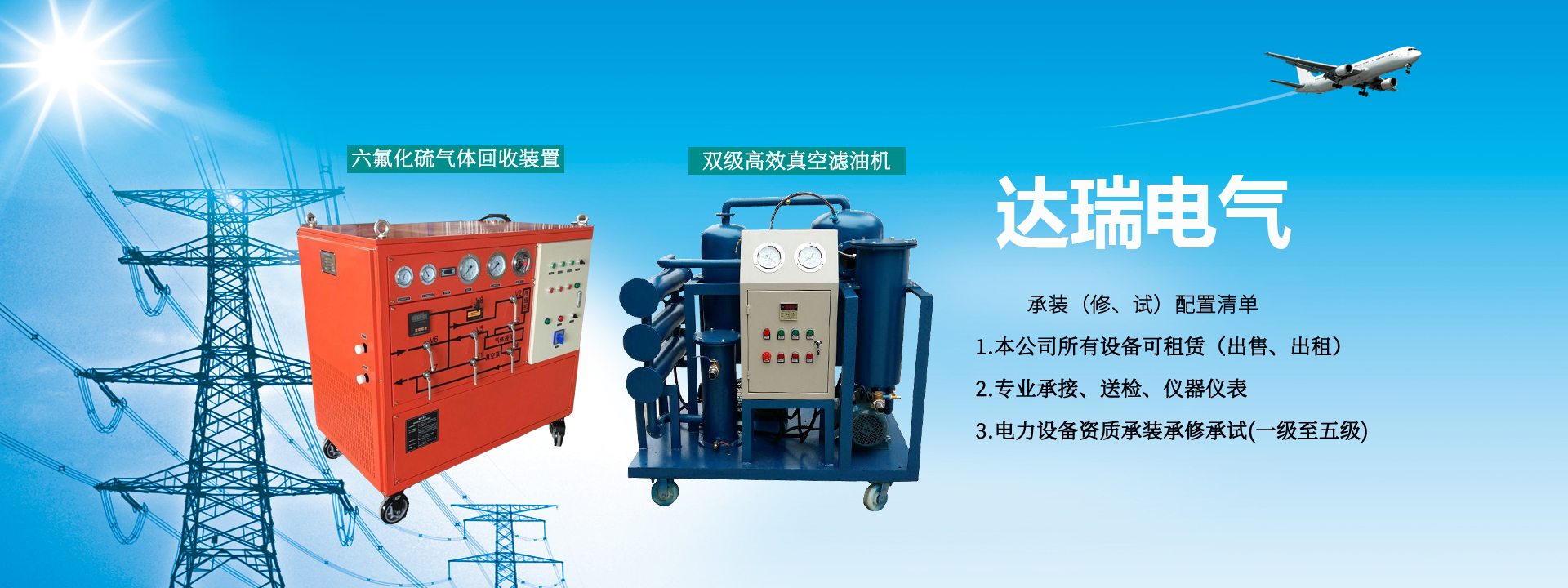
An oil filter machine is a device specifically designed to remove impurities,
water, and other contaminants from oil products. It is widely used in industries such as power, metallurgy, mining, and machinery manufacturing. Its main function is to improve the purity of oil through physical methods, extend the service life of oil, and protect mechanical equipment from wear and corrosion.
Main Functions and Technical Features
High filtration precision: It can effectively remove tiny particles from oil, even reaching sub-micron levels.
Strong water removal capability: Some models are equipped with special dehydration systems that can efficiently separate free water and emulsified water from oil.
High degree of automation: Modern oil filter machines mostly use PLC control systems, enabling automatic online detection, filtration, cleaning, and other functions, reducing manual intervention.
Wide range of applications: Suitable for purification of various oils such as hydraulic oil, lubricating oil, and insulating oil.
Environmental protection and energy saving: By recycling oil, it reduces waste oil discharge, minimizes environmental impact, and saves costs.
Application Fields
Industrial production: Provides clean lubricating oil for various machine tools and hydraulic systems.
Power industry: Maintains the quality of insulating oil in equipment such as transformers and switchgear.
Transportation: Ensures the cleanliness of lubricating oil in ship and vehicle engines.
Metal processing: Maintains the normal operation of hydraulic systems in processes such as steel rolling and casting.
Oil Skimmer
Oil skimmers are mainly used for emergency response to oil spills on water surfaces and for recovering floating oil in industrial wastewater treatment. They are important equipment for preventing the spread of oil pollution. They can effectively collect petroleum or other oily substances floating on water without using chemical agents.
Main Types and Working Principles
Belt-type oil skimmer: Uses a conveyor belt made of oleophilic material to contact the water surface, adsorb and carry away floating oil, and then scrapes the oil off the belt with a scraper for collection.
Brush-type oil skimmer: Similar to the belt type, but uses rotating brushes instead of a conveyor belt, suitable for recovering heavier oils.
Suction-type oil skimmer: Directly extracts the oil layer near the water surface into a storage container, suitable for rapid response to large-area oil spills.
Weir-type oil skimmer: Designed based on the principle of gravity, allowing oil to naturally flow into an oil collection tank set below the water surface.
Application Scenarios
Marine environmental protection: Responds to emergencies such as offshore drilling platform and oil tanker leaks, quickly controlling the scope of oil spills.
Ports and docks: Prevents oil leakage into the sea during daily operations, protecting the surrounding aquatic ecology.
Industrial wastewater treatment: Helps enterprises comply with environmental regulations and reduce sewage treatment costs.
Whether it is an oil filter machine or an oil skimmer, both play irreplaceable roles in their respective fields. They not only help improve work efficiency and save resources, but also serve as powerful tools for promoting green production and sustainable development. With technological advancements, these two types of equipment are continuously being optimized and upgraded to better meet market demands and the needs of social development.