
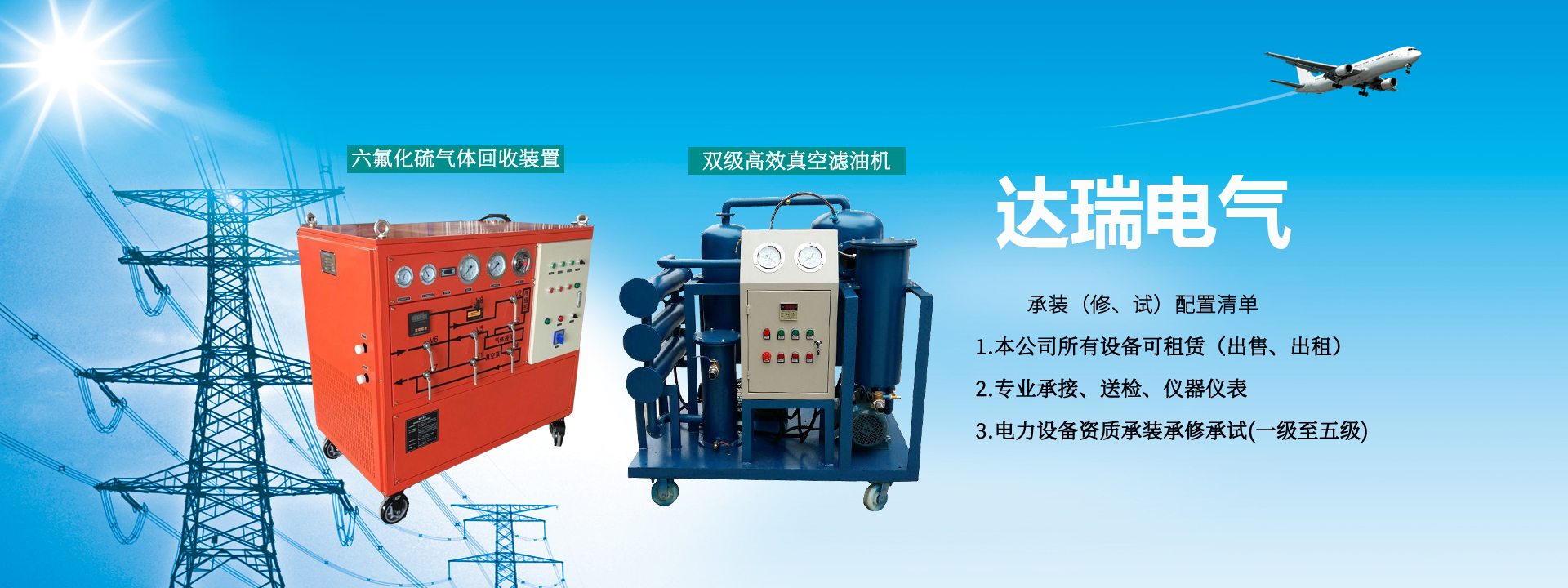
thereby reducing the pressure of the system. Different types of vacuum pumps employ different mechanisms to achieve this goal.
Implementation methods:
Mechanical vacuum pumps: such as rotary vane pumps, piston pumps, etc., compress and discharge gas through mechanical motion (rotation or reciprocation).
Molecular pumps: use high-speed rotating blades or magnetically levitated rotors to accelerate gas molecules, giving them enough kinetic energy to leave the pump body.
Diffusion pumps: use steam jets (usually mercury or oil) to capture and expel gas molecules.
Turbomolecular pumps: use high-speed rotating turbine blades to capture gas molecules and expel them.
Adsorption pumps: use low-temperature surfaces or other adsorbent materials to capture gas molecules.
Ion pumps: use electric fields to ionize gas molecules and expel them through magnetic fields.
Types
Low vacuum pumps: suitable for pressure ranges from 10^3 to 10^-1 Pascal, such as rotary vane pumps, liquid ring pumps, etc.
Medium vacuum pumps: suitable for pressure ranges from 10^-1 to 10^-4 Pascal, such as Roots pumps, dry screw pumps, etc.
High vacuum pumps: suitable for pressure ranges from 10^-4 to 10^-9 Pascal, such as molecular pumps, diffusion pumps, etc.
Ultra-high vacuum pumps: suitable for pressure ranges from 10^-9 to 10^-12 Pascal or even lower, such as turbomolecular pumps, ion pumps, etc.
Application fields
Semiconductor manufacturing: processes such as wafer processing, thin film deposition, and etching require highly pure vacuum environments.
Food packaging: extends shelf life, prevents oxidation and microbial growth.
Medical equipment: provides sterile environments in operating rooms and laboratory equipment.
Scientific research: fields such as physics experiments, chemical reactions, and materials research require control of gas composition and pressure.
Aerospace: simulates space environments for testing and research.
Industrial production: widely used in chemical, pharmaceutical, electronics, and other industries.
Vacuum metallurgy: processes such as metal purification and alloy preparation require vacuum environments.
Advantages
Efficiency: can quickly achieve the required vacuum level, improving production efficiency.
Reliability: modern vacuum pumps are well-designed, have long service lives, and are easy to maintain.
Diversity: different types of vacuum pumps are suitable for different pressure ranges and application needs.
Safety: built-in multiple protection mechanisms ensure operational safety.
Environmental friendliness: some new vacuum pumps adopt oil-free designs, reducing pollution.
Usage precautions
Correct selection: choose the appropriate type and specification of vacuum pump based on specific application needs.
Installation and connection: ensure all connection parts are well sealed to avoid leaks.
Regular maintenance: regularly inspect the pump body, pipelines, and accessories, and clean dust and impurities.
Lubrication and cooling: for vacuum pumps requiring lubrication, regularly replace lubricating oil; for those requiring cooling, ensure the cooling system operates normally.
Temperature monitoring: monitor pump body temperature to prevent overheating damage.
Safe operation: follow operating procedures and wear appropriate personal protective equipment.
Environmental protection: for oil-sealed vacuum pumps, pay attention to waste oil disposal to avoid environmental pollution.
Conclusion
Vacuum pumps are indispensable key equipment in many industrial and scientific research fields. Correct selection and use of vacuum pumps not only improve work efficiency but also ensure safety and reliability. With technological development, future vacuum pumps will become more intelligent and energy-efficient, providing users with more convenience. Mastering correct usage methods and maintenance techniques is crucial for ensuring the long-term stable operation of vacuum pumps.
I hope this article provides you with a comprehensive understanding of the basic knowledge of vacuum pumping and its importance. If you have any specific questions or want to learn more details, please feel free to tell me!