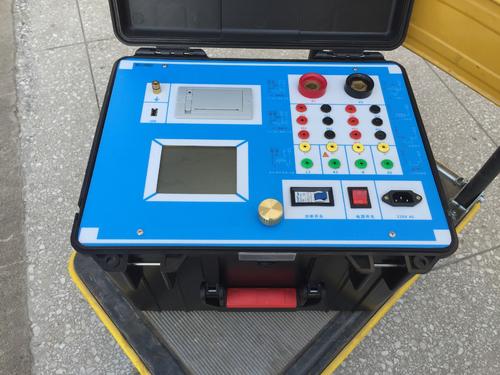
It is widely used in industries, laboratories, and various occasions where humidity control is required. These devices reduce the relative humidity in the air through different technical means, thereby protecting sensitive equipment, improving production efficiency, or meeting specific process requirements. Below is an overview of an article about air dry generators, including their working principles, types, application areas, and maintenance suggestions.
Overview of Air Dry Generators
Working Principle
Basic Concept: An air dry generator uses physical or chemical methods to remove water vapor from the air, aiming to reduce air humidity.
Main Process: It typically includes pre-treatment (such as filtration), dehumidification (core step), and post-treatment (such as heating, cooling) stages.
Types
Refrigerated Type: Uses a refrigerant circulation system to cool the air below the dew point temperature, causing water vapor to condense into liquid water for discharge.
Adsorption Type: Uses hygroscopic materials (such as silica gel, molecular sieves, etc.) to directly absorb moisture from the air. Based on regeneration methods, it can be divided into heatless regeneration, micro-heat regeneration, and heated regeneration.
Membrane Separation Type: Based on the selective permeability of gas through membranes to achieve separation of air and moisture.
Compression Condensation Type: First compresses the air, then cools it to condense and remove supersaturated water vapor.
Application Areas
Electronics Manufacturing: Maintains a low-humidity environment in workshops to prevent static accumulation from damaging precision components.
Food Processing: Removes residual moisture from product surfaces before packaging to extend shelf life.
Pharmaceutical Industry: Ensures strict humidity control required during drug production and storage.
Laboratory Research: Provides stable dry conditions for experiments.
Warehousing and Logistics: Protects moisture-sensitive items from damage.
Advantages
Energy Efficient: Modern air dry generators use advanced technology and materials to effectively reduce energy consumption.
Easy Operation: Most models are equipped with automatic control systems, simplifying daily management and maintenance.
Wide Applicability: Different types of dryers can be selected based on actual needs, suitable for enterprises and individual users of various scales.
Maintenance and Care
Regular Inspections: Including cleaning filters, replacing consumables (such as desiccants), etc.
Monitor Performance Indicators: Pay attention to outlet humidity levels and adjust operating parameters in a timely manner.
Comply with Safety Regulations: For models using refrigerants, pay special attention to leak detection and follow relevant environmental protection regulations.
Conclusion
As industries have increasingly higher requirements for product quality and production environments, air dry generators have become one of the indispensable key equipment. Correctly selecting the appropriate model for your application scenario and maintaining it properly can not only improve work efficiency but also effectively reduce costs. In the future, with technological advancements, air drying solutions will become more intelligent and environmentally friendly, better serving the development of human society.
I hope this article provides you with a comprehensive understanding of the basic knowledge and importance of air dry generators. If you have any specific questions or want to learn more details, please feel free to let me know!