
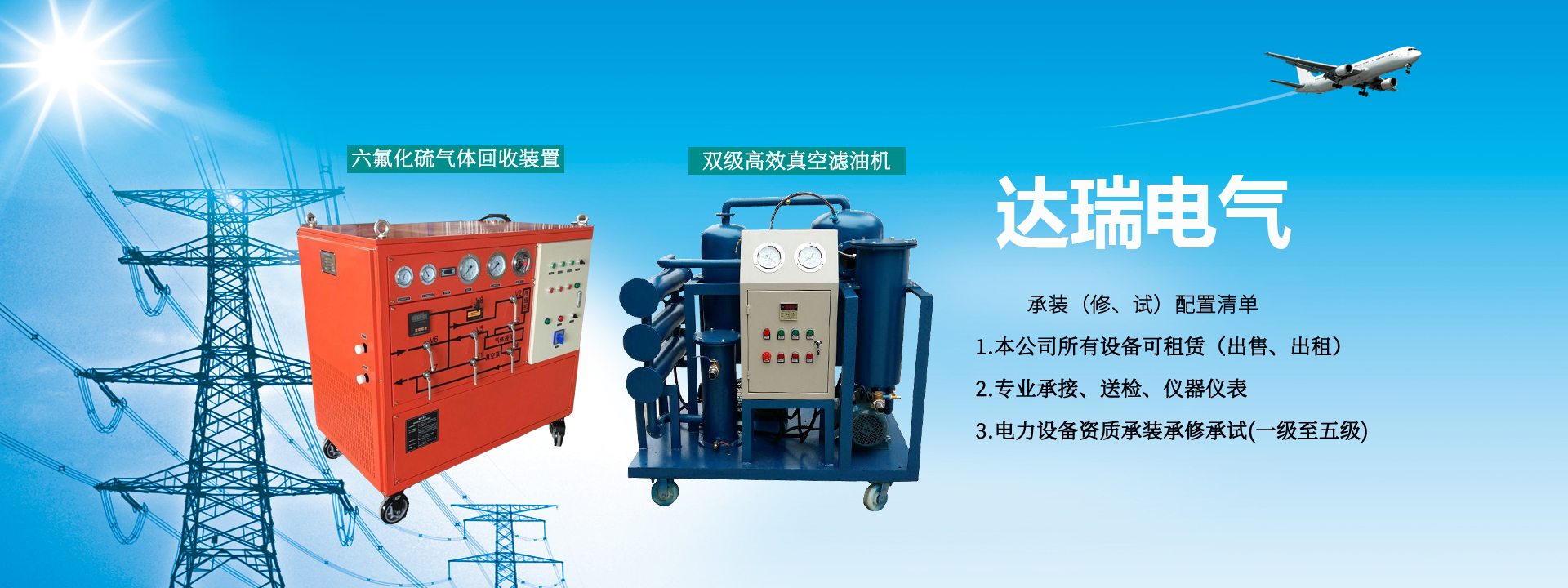
An oil filter machine is a device used to remove impurities, moisture, oxides, and other contaminants from industrial oils such as lubricating oil, hydraulic oil, and transformer oil. It removes solid particles, iron filings, colloids, and other pollutants from the oil through a filtering medium, and sometimes includes functions like dehydration and degassing to restore the purity and performance of the oil.
Uses
Extending Oil Life: By removing contaminants, it extends the service life of the oil and reduces the frequency of replacement.
Improving Equipment Efficiency: Clean oil helps improve the efficiency of mechanical equipment and reduce wear.
Energy Saving and Environmental Protection: It reduces the generation of waste oil, lowers disposal costs, and meets environmental requirements.
Types
Centrifugal Oil Filter: Uses centrifugal force to separate impurities.
Vacuum Oil Filter: Uses vacuum technology to remove moisture and gases from the oil.
Pressure Oil Filter: Uses pressure difference to push oil through the filter element to remove impurities.
Selection Guide
Oil Type: Choose a suitable oil filter based on the type of oil to be processed.
Contamination Level: The degree of oil contamination determines the required filtration level.
Flow Rate Requirement: Select the equipment model based on the amount of oil to be processed per hour.
Oil Skimmers
Basic Concepts
Oil skimmers are mainly used to collect oil spills on water surfaces or on the ground, including but not limited to oil spill incidents at ships, ports, factories, and other places. These devices typically have rapid response capabilities and can absorb or collect a large amount of oil in a short time.
Uses
Emergency Response: Quickly respond after an oil spill accident to prevent the spread of oil pollution.
Environmental Protection: Reduce the impact of oil pollution on the environment and protect water quality from contamination.
Resource Recovery: For some recyclable oils, oil skimmers can help collect them for subsequent treatment.
Types
Oil Absorbent Pads/Blankets: Disposable absorbent materials suitable for small-scale, low-volume oil spill treatment.
Oil Booms: Used to isolate oil spills and prevent their spread.
Mechanical Oil Skimmers: Use mechanical principles (such as scrapers, rollers, etc.) to collect oil from water.
Selection Guide
Type of Oil Contaminant: Determine whether the oil skimmer is suitable for handling specific types of oil.
Working Environment: Choose the appropriate type of oil recovery equipment based on the specific environment where the oil spill occurs (e.g., water, land).
Processing Capacity: Evaluate the absorption or collection capacity of the oil skimmer to ensure it meets actual needs.
Conclusion
Whether it is an oil filter machine or an oil skimmer, the selection should be based on the specific application scenario and needs. The right equipment can not only improve work efficiency but also effectively protect the environment and reduce operating costs. It is advisable to consult professionals before purchasing and conduct a comprehensive evaluation based on the technical parameters and test reports provided by the manufacturer.