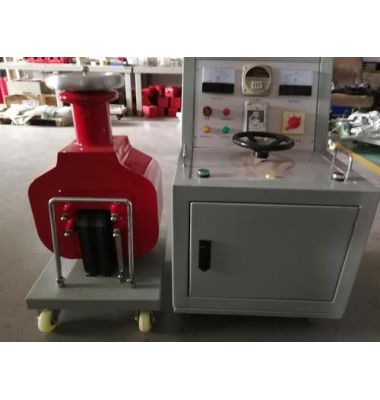
is a professional device used to detect whether the winding of a power transformer has deformed. Deformation of transformer windings can lead to a decline in electrical performance, thereby affecting the overall performance and lifespan of the transformer. The Winding Deformation Tester helps technicians identify these issues promptly and take appropriate measures to maintain or repair the transformer.
Working Principle
The working principle of the Winding Deformation Tester is based on measuring the electrical characteristics of the transformer winding. When the transformer winding deforms due to mechanical stress (such as earthquakes, short-circuit impacts, etc.), its electrical characteristics change, such as the inductance, mutual inductance, impedance, and other parameters of the winding. The Winding Deformation Tester determines whether the winding has deformed by detecting changes in these parameters.
Testing Methods
Common winding deformation testing methods include:
Low Voltage Short Circuit Test: Apply low-voltage AC to one side of the transformer while short-circuiting the other side, then measure the short-circuit current and voltage to calculate the change in impedance.
Frequency Response Analysis (FRA): Apply signals of different frequencies to the transformer and measure its response, analyzing changes in the frequency response curve to determine if the winding has deformed.
Inductance Measurement Method: Directly measure the inductance value of the transformer winding and compare it with the original value.
Importance
Fault Prevention: Through regular testing, winding deformation can be detected early, preventing major faults.
Improved Reliability: Ensures stable operation of the transformer, reducing the risk of unexpected downtime.
Extended Lifespan: Timely maintenance and adjustment help extend the service life of the transformer.
Application Scenarios
Power Systems: Used for maintenance and testing of transformers in power plants, substations, and other power facilities.
Industrial Sector: Used to detect the health of critical transformers in large industrial equipment.
Research Institutions: Used for research and development of transformers in research institutions.
Selection and Usage
Choosing the Right Tester: Select an appropriate Winding Deformation Tester based on the type, capacity, and application environment of the transformer.
Regular Calibration: To ensure the accuracy of test results, the tester needs to be calibrated regularly.
Professional Training: Operators should receive professional training to master correct testing methods and data analysis skills.
Comprehensive Analysis: Test results should be combined with other maintenance and detection methods for a comprehensive evaluation.
Precautions
Safe Operation: When conducting tests, strictly follow safety regulations to ensure the safety of operators.
Environmental Factors: Pay attention to factors such as temperature and humidity in the testing environment to avoid affecting test results.
Data Recording: Properly store test data for historical comparison and trend analysis.
The Winding Deformation Tester is crucial for the safe operation of power systems. Through regular testing and maintenance, the reliability and stability of power facilities can be significantly improved. When selecting and using a Winding Deformation Tester, full consideration should be given to the characteristics of the equipment and the usage environment to ensure accurate and effective test results.