Oil filters and oil skimmers are both equipment used for handling oil, but their functions and application scenarios differ. Below is an outline of an article about oil filters and oil skimmers:
Oil Filter and Oil Skimmer: Functions, Applications, and Comparison
1. Introduction
Background: In the fields of industrial production and environmental protection, oil treatment technology is of great significance for improving product quality, energy conservation, and emission reduction.
Importance of Oil Filters and Oil Skimmers: As key equipment for oil treatment, oil filters and oil skimmers play important roles in different stages.
Research Purpose: This article aims to introduce the working principles, characteristics, and applications of oil filters and oil skimmers in different fields, and to compare and analyze the two.
2. Oil Filter
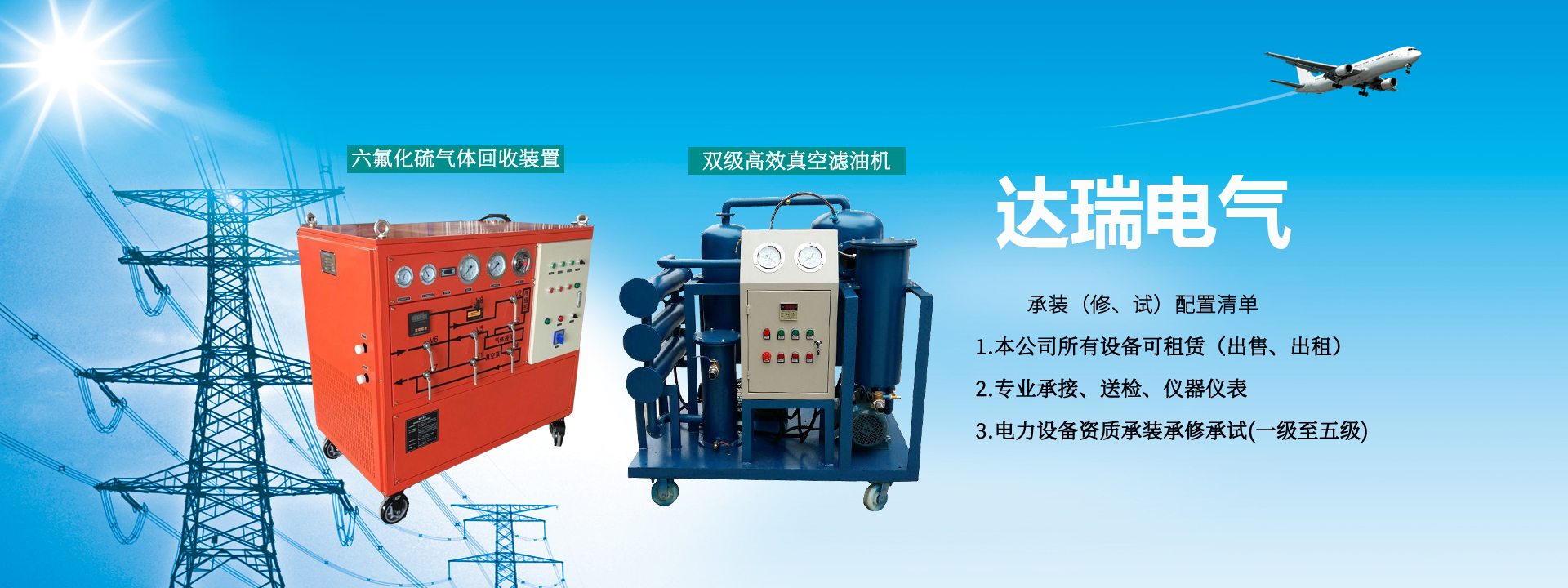
Working Principle: Introduce how oil filters remove mechanical impurities, oxidation by-products, and moisture from oil through technologies such as gravity, centrifugation, pressure, and vacuum distillation.
Main Types: List several common types of oil filters, such as engine oil filters, transformer oil filters, hydraulic oil filters, etc., and briefly describe their characteristics.
Application Fields: Explain the applications of oil filters in industries such as machinery manufacturing, electric power, and automobile maintenance.
Maintenance and Care: Provide daily maintenance and care suggestions for oil filters to ensure long-term stable operation of the equipment.
3. Oil Skimmer
Working Principle: Introduce how oil skimmers recover leaked oil from water surfaces or other media, usually using physical adsorption or scraping methods.
Main Types: List several common types of oil skimmers, such as belt-type oil skimmers, rope-type oil skimmers, etc., and briefly describe their characteristics.
Application Fields: Explain the applications of oil skimmers in fields such as offshore oil spill accident handling and industrial wastewater treatment.
Operation Guide: Provide operation guidelines for oil skimmers to ensure safe and effective use.
4. Comparative Analysis
Functional Comparison: Compare the main functional differences between oil filters and oil skimmers.
Application Scenarios: Analyze the advantages and disadvantages of the two devices in different application scenarios.
Maintenance Costs: Compare the maintenance costs and economic benefits of oil filters and oil skimmers.
5. Safety and Environmental Considerations
Safe Operation: Emphasize the safety operating procedures when using oil filters and oil skimmers.
Environmental Protection: Discuss the significance of using these two devices for environmental protection.
6. Conclusion and Outlook
Summary: Review the importance and application value of oil filters and oil skimmers.
Future Trends: Explore possible future development directions and technological innovations for oil filters and oil skimmers.
7. References
Related Literature: List the relevant academic papers and technical reports cited in this article to provide readers with resources for further study.
Please adjust or supplement the above outline according to your specific needs. If you need more detailed content or have other specific requirements, please let me know.