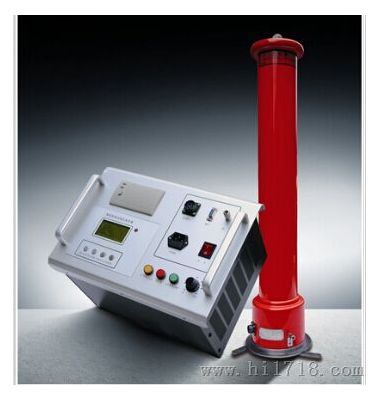
High voltage insulation mats are a common safety protective equipment in the power industry, mainly used to prevent operators from suffering electric shock injuries when contacting high-voltage electrical equipment. They are widely used in substations, power plants, distribution rooms, and other places involving high-voltage electrical operations. The following is a detailed article outline about high voltage insulation mats:
Title: "High Voltage Insulation Mat: Guardian of Electrical Safety"
Introduction
In the power industry, high voltage insulation mats, as a key safety measure, play an important role in protecting operators from electric shock injuries. This article aims to explore the basic concepts, manufacturing materials, specification standards, usage scenarios, and the importance of maintenance of high voltage insulation mats.
Manufacturing Materials and Specifications
High voltage insulation mats are usually made of special rubber or similar materials, which have excellent insulation performance and durability. Their thickness should not be less than 5 mm, and the surface is designed with anti-slip patterns to enhance friction and prevent operators from slipping during use. According to different voltage levels, the thickness of high voltage insulation mats will be adjusted accordingly to meet higher insulation requirements.
Functions and Roles
The main function of high voltage insulation mats is to establish an insulation barrier between the operator and the ground, preventing current from passing through the human body to form a closed circuit, thereby avoiding electric shock accidents. They are usually laid around power distribution devices to provide a safe operating platform for electricians.
Usage Scenarios
Substations and Power Plants: Provide a safe standing area for operation and maintenance personnel near high-voltage equipment.
Distribution Rooms: Laid in front of switchgear, control panels, and other equipment to protect technicians from accidental electric shock.
Laboratories and Testing Sites: Provide insulation protection for experimenters during high-voltage electrical tests.
Outdoor Live Work: Provide necessary insulation isolation for workers on outdoor high-voltage lines or equipment.
Specifications and Standards
The specifications of high voltage insulation mats should comply with relevant national standards, such as GB/T 17620-2008 "Insulation Mats for Electrical Power", which specifies requirements for dimensions, thickness, surface quality, electrical performance, and physical and mechanical properties of insulation mats.
Maintenance and Care
Regular Inspection: Check insulation mats for wear, cracks, or other damage to ensure their insulation performance is not affected.
Cleaning and Maintenance: Use mild cleaning agents and soft cloths for regular cleaning, avoid scratching the surface with sharp objects.
Storage Conditions: Store in a dry, ventilated place away from direct sunlight, and keep away from high temperatures and chemicals.
Regular Testing: Conduct electrical performance tests regularly according to industry regulations to ensure the effectiveness of insulation mats meets safety standards.
Conclusion
As an important component of electrical safety, the correct use and maintenance of high voltage insulation mats are crucial for ensuring the life safety of operators in the power industry. Understanding their functions, usage methods, and maintenance points is knowledge that every power worker must master.
Through the introduction in this article, readers can have a more comprehensive understanding of the role and importance of high voltage insulation mats, as well as how to correctly use and maintain these key safety devices in actual work, thereby improving the safety and efficiency of electrical operations.