
Analysis of Problems in Self-Input Test of Relay Protection Tester
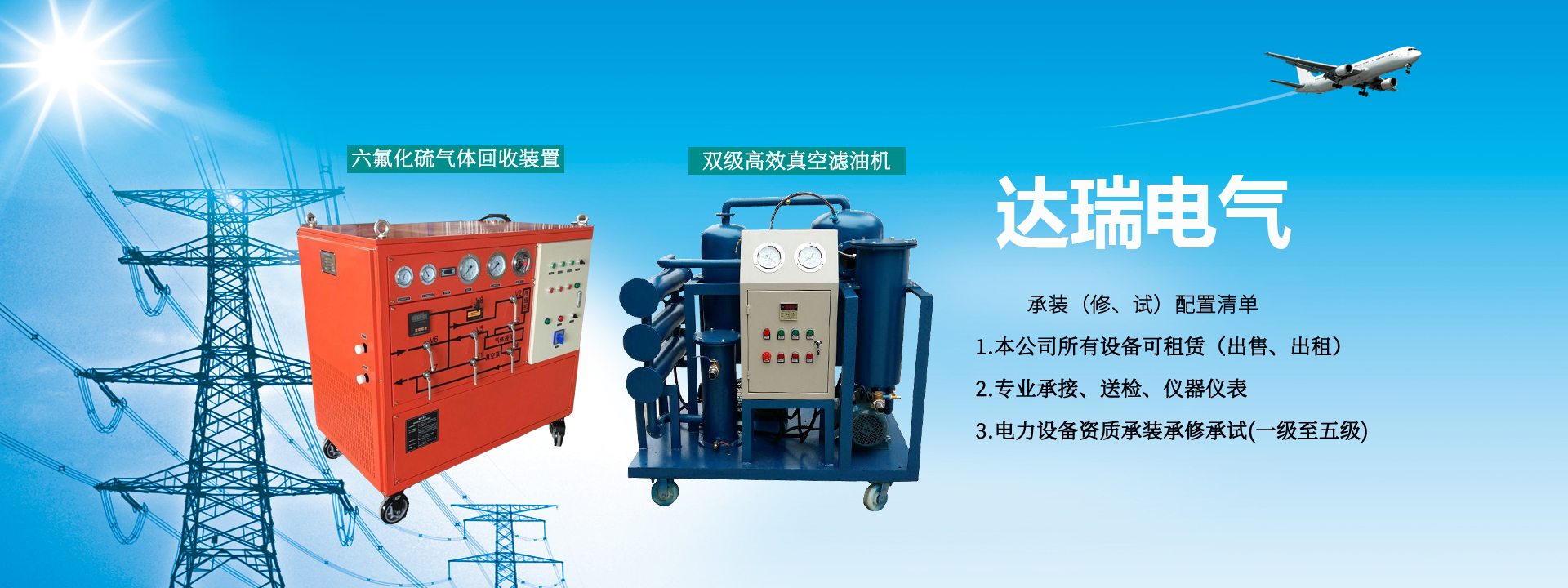
Darui Electric recommends for you
It is a new generation of calibration device in the power department. The AC/DC voltage and current sources inside the tester adopt new power supply technology, making the instrument reach an advanced level in circuit design, component selection, panel layout, and internal structure design. The instrument has the advantages of complete functions, excellent material selection, clear test project data, and simple operation.
The relay protection self-input device can automatically identify the current operation mode, self-input allowable conditions, working status of standby power incoming line or main transformer, and main wiring form of traction substation. When incoming line voltage loss or main transformer fault occurs, according to the self-input mode set in the setting value, it realizes automatic input of standby power supply or standby main transformer.
Combining actual operation experience and fault case analysis of standby power supply automatic switching system tests in traction substations in recent years, it can be found that the main reason for self-input failure is mostly caused by mismatch of electrical parameters between comprehensive automation equipment and circuit breakers or disconnectors. In actual on-site self-input tests, only overall linkage tests were conducted, without partial inspection tests. Once a fault occurs during self-input test, the fault point cannot be quickly located, delaying the restoration of safe operation of equipment. Therefore, it is imperative to improve the self-input test and fault finding methods in traction substations.
For the main transformer measurement and control device, communication can be achieved with the test tool software through the substation Ethernet. Test personnel can view the operating status of internal and external equipment of the device and modify internal parameter settings of the device through the test tool software.
Before the test, complete the following inspection work:
1. Protection plug-in version verification: Use the test tool software to check the hardware and software verification codes of the main transformer measurement and control device. If problems are detected, hardware and software replacement can be carried out.
2. Self-input setting value check: Check setting values such as voltage loss delay, incoming line voltage loss and voltage presence value, disconnector action time, self-input contact delay, voltage loss and main transformer fault discrimination input, etc.
3. Debounce delay setting: Correctly configure the debounce delay for outdoor and indoor inputs.
If a fault occurs during the self-input process, immediately switch to self-input simulation test to detect whether it is a protection device fault or external disconnector/circuit breaker fault. Clearly define the fault scope to facilitate fault handling.
1. Input signal (incoming line voltage loss, voltage presence, main transformer fault) inspection. Use the transmission test in the test tool software to perform output test on the local device and check the input signals.
2. Self-input contact signal inspection. Use the transmission test in the test tool software to perform output test on the opposite side main transformer measurement and control device, and check the local input signals.
3. Check the input of position signals for main transformer high and low voltage side circuit breakers, incoming line disconnectors, cross-bar disconnectors, and neutral point disconnectors. Use the panel to perform opening and closing operations of circuit breakers and disconnectors to check the local input quantities.
4. If all signal displays are normal after inspection, it indicates that the protection device is operating normally and the fault point is in external equipment. For external equipment faults, the faulty equipment can be quickly identified based on signal display and repaired.

Note: The above information and technical parameters are compiled and released by Yangzhou Darui Electric Co., Ltd.