
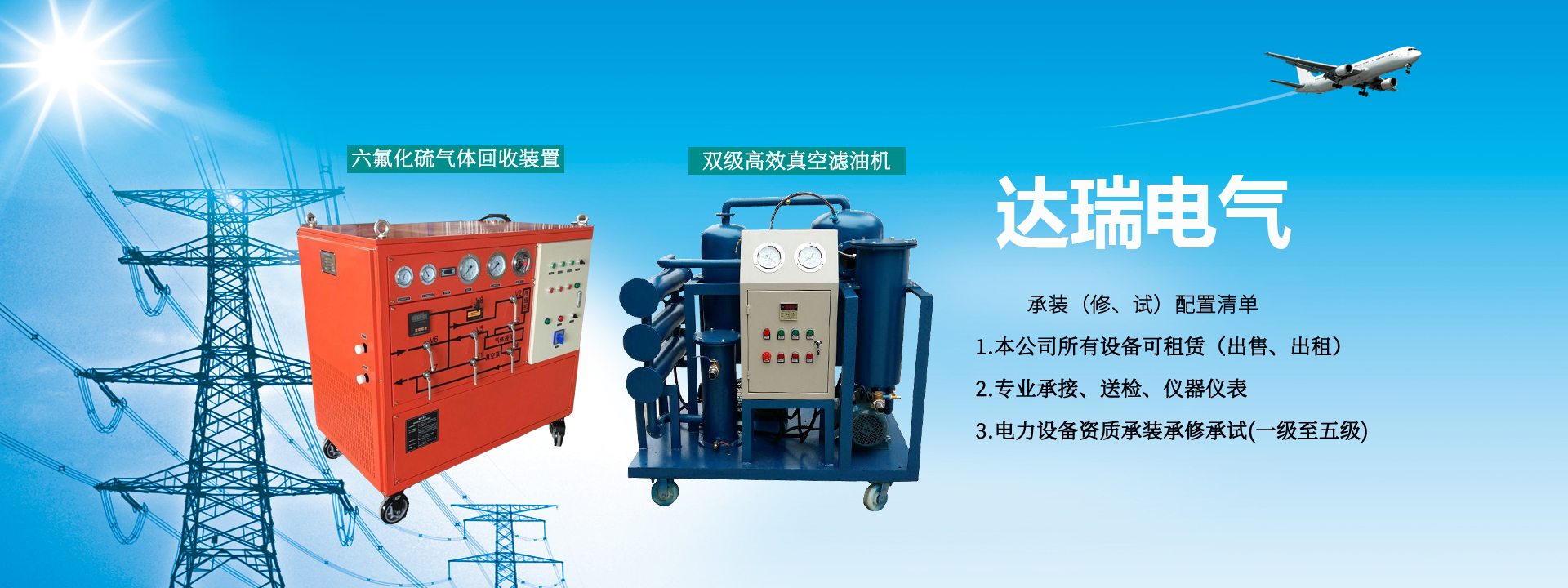
An air dry generator is a device specifically designed to remove moisture and other impurities from compressed air, providing dry and clean air. This equipment is widely used in industrial manufacturing, food processing, pharmaceuticals, electronics manufacturing, spraying operations, and laboratories where high-quality air is required. By reducing the humidity in the air, the air dry generator can prevent equipment corrosion, product damage, or quality issues in the process flow caused by moisture.
Working Principle
The air dry generator mainly uses the following technologies to remove moisture from the air
Refrigeration drying: Uses a refrigerant to cool the compressed air to near freezing point, causing water vapor to condense into liquid water and be separated. This method is suitable for most industrial applications.
Adsorption drying: Uses hygroscopic materials (such as silica gel, activated alumina) to adsorb moisture from the air. Depending on the operating mode, adsorption dryers can be divided into Pressure Swing Adsorption (PSA) and Thermal Swing Adsorption (TSA) types.
Membrane drying: Achieves drying through the selective permeability of a semipermeable membrane, allowing water vapor to preferentially pass through the membrane layer. This method is suitable for occasions where the dew point requirement is not particularly strict.
Application Areas
Manufacturing: Provides clean control air for automated production lines and robotic systems, avoiding mechanical failures caused by moisture.
Food and Beverage Industry: Ensures air quality during production, preventing microbial growth and impact on product quality.
Pharmaceutical Industry: Maintains a sterile environment, ensuring the purity and stability of drug production.
Electronics Manufacturing: Provides a low-humidity environment for the production and testing of precision electronic components, reducing electrostatic damage.
Laboratories: Maintains a constant humidity level during experiments, ensuring the accuracy of experimental results.
Advantages
Improved Efficiency: Removes moisture and other contaminants from the air, extending equipment lifespan and reducing maintenance costs.
Enhanced Reliability: Ensures consistency and stability in production processes, reducing failures caused by moisture.
Energy Saving: Modern air dry generators are typically equipped with intelligent control systems that can automatically adjust operating status based on actual needs, thereby saving energy consumption.
Environmental Friendliness: Some advanced drying technologies can achieve good drying effects without using chemical substances, reducing environmental pollution.
Precautions
When selecting an air dry generator, factors such as required dew point temperature, flow rate, and working pressure should be considered to match specific application needs.
Regularly inspecting and replacing filters, desiccants, or other consumables is key to maintaining equipment performance.
Follow the manufacturer's guidelines for proper installation and commissioning to ensure the equipment operates normally.
Operators should receive appropriate training to understand basic operating procedures and emergency response measures.
Air dry generators are crucial for ensuring production quality in many industries. By effectively removing moisture from the air, they not only improve work efficiency but also protect the safety of sensitive equipment and products. We hope this article provides you with basic knowledge and practical information about air dry generators. If you have any further questions or need more help, please feel free to let us know!