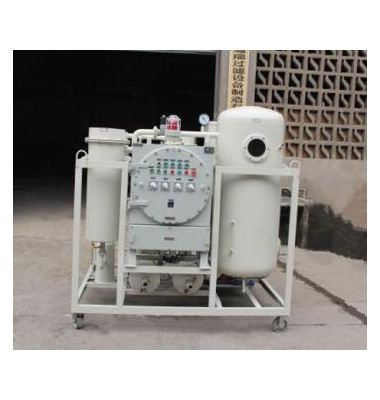
It is widely used in various occasions where moisture needs to be removed from the air. This type of equipment uses different technical methods to remove moisture from the air to achieve the required level of dryness. Below is an overview of an article about air dry generators, including their working principles, application fields, operation methods, and maintenance.
Introduction to Air Dry Generators
An air dry generator is a device used to remove moisture from compressed air, providing dry air to meet various industrial and laboratory needs. This type of equipment can effectively reduce or eliminate moisture in compressed air, thereby avoiding equipment corrosion, freezing, and other issues, ensuring the normal operation of the system.
Working Principle
There are two main working principles for air dry generators: adsorption method and refrigeration method.
Adsorption Method
Initial drying: After atmospheric air enters the refrigerator, most of the water vapor is condensed into ice water, achieving initial drying.
Secondary drying: The air after initial drying further passes through adsorbents such as color-changing silica gel for secondary drying, adsorbing the remaining moisture.
Regeneration: When the adsorbent (such as color-changing silica gel) becomes saturated with water, it needs to be replaced or re-dried to ensure the dryness of the output air.
Refrigeration Method
Cooling: The air is cooled below zero degrees Celsius through a refrigeration system, causing water vapor to condense into ice water.
Separation: The moisture from the cooled air is separated out.
Heating: The air temperature is then raised through heating to achieve the required level of dryness.
Application Fields
Air dry generators are widely used in the following fields:
Industrial production: Used for drying compressed air systems to protect production equipment.
Laboratories: Provide dry air for experimental equipment.
Power equipment maintenance: Provide dry air for large power equipment such as transformers and reactors to ensure internal insulation is not affected by moisture.
Pharmaceutical industry: Used for dry air supply in pharmaceutical processes.
Food processing: Used in food packaging and other processes requiring dry air.
Operation Methods
Preparation: Install all necessary accessories such as filters according to the equipment manual.
Connection: Ensure the equipment's power cord grounding terminal is reliably grounded, and ensure all connections are tight and leak-free.
Startup: Connect the power supply, start the equipment, and observe the output pressure gauge to ensure stable pressure.
Manual drainage: Although the equipment can automatically discharge some moisture, regular manual drainage is still required.
Maintenance
Regular inspection: Check the drying chamber ends and sealing gaskets for cracks, ensuring the gaskets are not adhered to the adsorbent.
Replacing adsorbent: When the adsorbent is saturated, it needs to be replaced or dried in time.
Cleaning and maintenance: Regularly clean the inside and outside of the equipment to keep it clean and tidy.
Leak check: Use methods such as soapy water to check for leaks in the equipment.
Conclusion
Air dry generators play an important role in many industrial and scientific research fields due to their efficient and reliable removal of moisture from compressed air. With technological advancements and development, the design and manufacturing of such equipment are continuously improving to adapt to a wider range of application needs.
I hope this article about air dry generators helps you better understand their working principles, application fields, and importance in practical applications. If you need more detailed information or have other questions, please feel free to let me know.