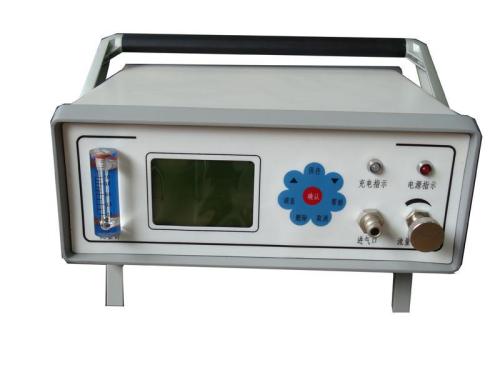
In the power industry, especially in high-voltage operations, safety protection measures are crucial. High-voltage electrical equipment, such as the SHX-2000Y digital high-voltage wireless phase detector, is typically equipped with a series of safety functions to ensure the safety of operators, among which overvoltage protection and short-circuit protection are the most basic and important.
Overvoltage Protection
Overvoltage protection is a mechanism to prevent equipment from being impacted by voltages higher than its rated operating voltage. In power systems, due to various reasons (such as lightning strikes, grid faults, etc.), transient or sustained voltage increases may occur, posing serious threats to equipment and personnel safety. The overvoltage protection function monitors voltage levels and, once it detects that the voltage exceeds a safe threshold, takes immediate action, such as cutting off the power supply or activating a discharge device, to protect equipment from damage and prevent operators from electric shock.
Short-Circuit Protection
Short-circuit protection is designed for situations where the current in a circuit suddenly increases dramatically. When two points in a circuit are directly connected without a load, a short circuit occurs, causing a sudden surge in current, which can not only damage equipment but also lead to serious accidents such as fires. The short-circuit protection mechanism quickly disconnects the circuit to block abnormal current flow, thereby protecting equipment and operator safety. Common short-circuit protection measures include fuses, circuit breakers, etc.
Comprehensive Safety Strategy
In addition to overvoltage protection and short-circuit protection, modern electrical equipment may also integrate various other safety functions, such as:
Leakage Protection: Detects and disconnects leakage circuits to prevent electric shock to personnel.
Grounding Protection: Ensures good electrical connection between non-live metal parts such as equipment enclosures and the earth, so that in case of accidental electrification, the current can be quickly directed to the ground, reducing the risk of electric shock.
Insulation Monitoring: Regularly checks the insulation status of equipment to prevent leakage or short circuits caused by insulation aging.
Safety Warnings and Instructions: Equipment is equipped with clear safety warning signs and operating instructions to guide operators in proper use and avoid dangers caused by improper operation.
Conclusion
The safety protection of electrical equipment is a comprehensive system aimed at minimizing potential risks to operators through multiple protective measures. Whether it is the strict standards in the design phase or the standardized execution in actual operation, every link is for the same goal — ensuring personal safety and maintaining the stable operation of the power system. With the advancement of technology, the safety protection functions of future electrical equipment will become more intelligent and refined, providing a more solid foundation for the safe development of the power industry.