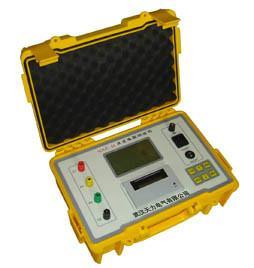
Transformer DC Resistance Tester
Transformer DC resistance tester is widely used in power supply and generation units, transformer manufacturing industry, and large and medium-sized power consumption enterprises. The following introduces common fault solutions and precautions for using the transformer DC resistance tester.
I. Precautions
1. The DC resistance tester can be used indoors and outdoors, but should avoid direct sunlight, rain, corrosive gases, excessive dust, and other places;
2. Before use, the grounding terminal of the instrument must be properly grounded;
3. If there is a sudden power outage during the test, do not immediately remove the test leads. Wait until the instrument has fully discharged before removing them;
4. During the test, it is forbidden to move the test clips and power supply lines.
5. When measuring an off-load tap-changing transformer, after completing a tap test, press the cancel or reset button to discharge the system. Be sure to wait until the discharge indicator stops before switching gears for the next measurement.
6. When measuring an on-load tap-changing transformer, a single power supply can complete the measurement. The instrument program design allows after completing a tap measurement, to switch the tap changer to the next tap, and the instrument will enter the next tap measurement.
7. After the test, turn off the power first, then remove the test leads;
II. Common Fault Solutions
Fault 1: No display on power-on
1) The fuse in the power socket is damaged
2) The internal plug-in of the instrument is loose
3) Computer board failure
Fault 2: Display "Overrange or line not connected"
1) Instrument power failure
2) A/D board failure
3) Poor contact of test leads or no loop formed.