
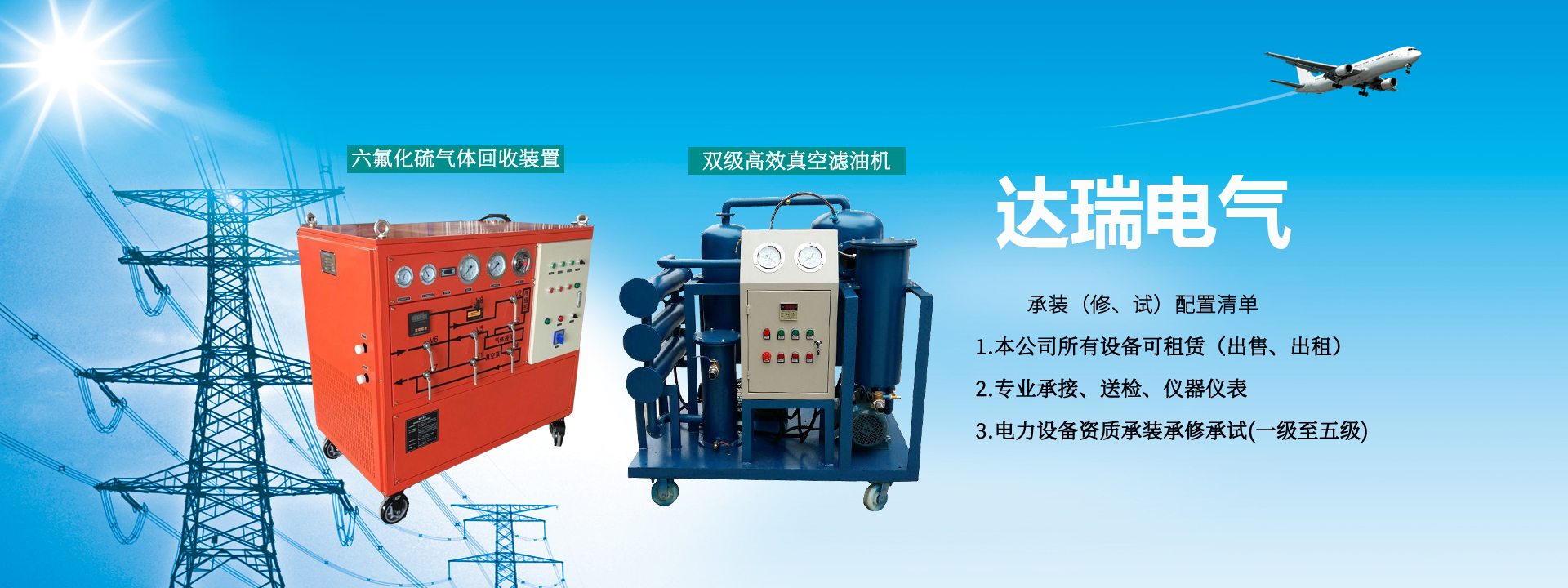

Introduction to Vacuum Pumping Technology
A vacuum pump is a device used to remove gas molecules from a closed space, thereby creating an environment with pressure lower than atmospheric pressure. This low-pressure environment (the so-called "vacuum") has a wide range of applications in scientific research, industrial production, and various aspects of daily life. Depending on the application requirements and the desired level of vacuum, different types of vacuum pumps can be selected.
Main Types and Working Principles
Mechanical Booster Pump: This type of pump compresses and expels gas through physical means such as rotating blades or pistons, suitable for applications requiring a relatively high vacuum level.
Rotary Vane Vacuum Pump: Uses rotating vanes to push gas from the inlet to the exhaust outlet, suitable for laboratory and light industrial applications.
Reciprocating Vacuum Pump: Similar to the working principle of an engine, it uses the reciprocating motion of a piston to extract gas, often used in situations where large volumes of gas need to be handled.
Diffusion Pump: Utilizes a high-speed oil vapor jet to carry gas molecules and capture them through a condensation zone, very suitable for high vacuum environments.
Turbomolecular Pump: Relies on the interaction between a rapidly rotating rotor and stationary stator to progressively reduce the speed of gas molecules until they are expelled from the system, capable of achieving extremely high vacuum levels.
Cryopump: By cooling surfaces to extremely low temperatures, gas molecules condense into solid or liquid form on them, suitable for scenarios requiring extremely high vacuum.
Dry Vacuum Pump: Does not use any working fluid for sealing or cooling, avoiding contamination risks, particularly suitable for industries with strict cleanliness requirements such as semiconductor manufacturing.
Application Fields
Scientific Research Experiments: In fields such as physics, chemistry, and materials science, a vacuum environment is crucial for the success of experiments, for example, electron microscope operation, particle accelerator experiments, etc.
Industrial Manufacturing: Widely used in coating processes, semiconductor manufacturing, vacuum drying, and more.
Healthcare: Certain medical devices such as X-ray machines and MRI scanners also need to operate under vacuum conditions to ensure performance.
Food Processing: Vacuum packaging can extend the shelf life of food and prevent oxidative spoilage.
Technology Development Trends
With the advancement of technology, vacuum pumps are also continuously innovating:
High Efficiency and Energy Saving: Developing more efficient motors and optimizing designs to reduce energy consumption.
Intelligent Control: Integrating sensors and control systems to achieve automated operation, improving stability and reliability.
Miniaturization and Portability: To meet the needs of on-site operations, designing more compact and lightweight equipment.
Environmental Friendliness: Adopting oil-free or low-oil designs to reduce environmental pollution.
Whether in basic research or high-end manufacturing, vacuum pumps, as key tools for creating vacuum environments, are becoming increasingly important. In the future, with the application of new materials and technologies, the functionality and scope of application of vacuum pumps will further expand, providing strong support for the advancement of various industries.