
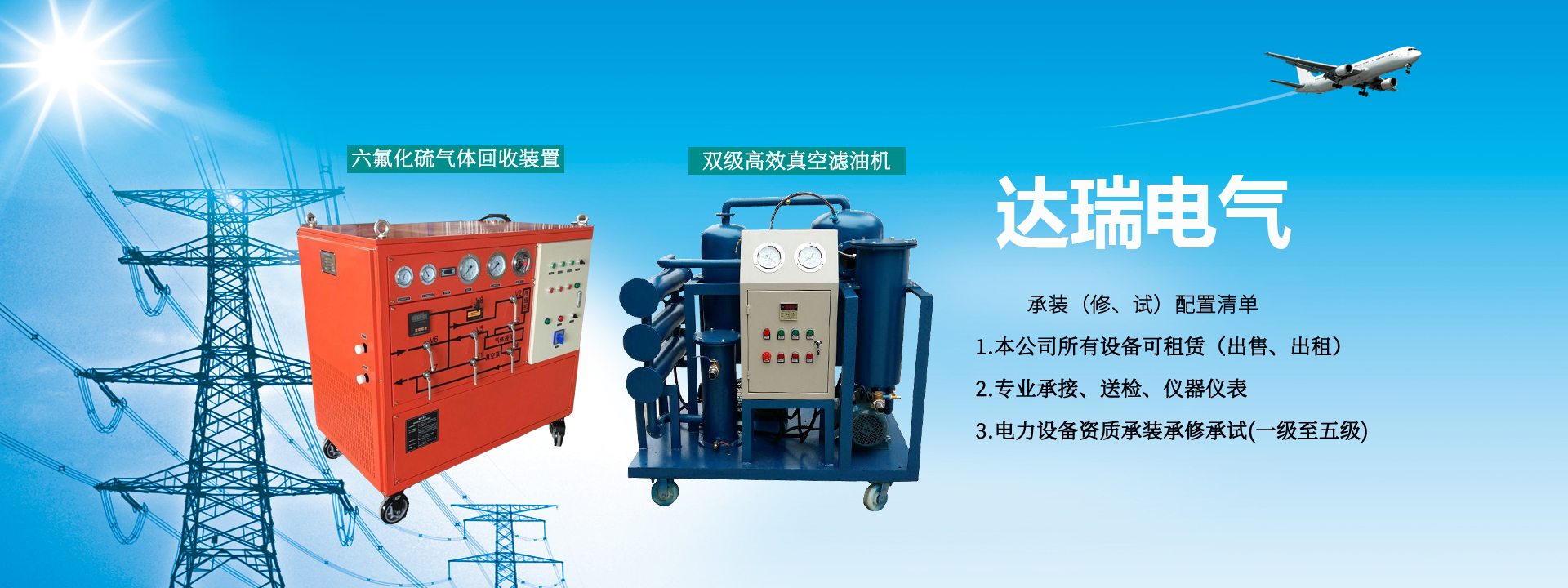
Due to its excellent electrical insulation properties and arc-extinguishing characteristics, it is widely used in high-voltage electrical equipment such as circuit breakers and switchgear. However, SF6 is also a greenhouse gas with a very high global warming potential (GWP). Therefore, special attention must be paid to environmental protection during handling, including evacuation and recovery processes.
Importance of SF6 Evacuation and Recovery
Environmental Protection: Due to the extremely high greenhouse effect of SF6, improper emissions can have severe impacts on the environment. Therefore, when maintaining or replacing electrical equipment containing SF6, professional evacuation and recovery techniques must be employed to prevent SF6 leakage into the atmosphere.
Economic Value: SF6 itself is expensive, and effective recovery measures can reduce operating costs and decrease the demand for new SF6.
Safe Operation: Proper evacuation and recovery procedures help ensure workplace safety, avoiding risks such as asphyxiation and other potential hazards caused by SF6 leakage.
Overview of Evacuation and Recovery Process
Preparation Phase: First, the electrical equipment to be handled must be shut down and isolated, ensuring all safety measures are in place. Use appropriate personal protective equipment (PPE) and prepare dedicated evacuation and recovery equipment.
Evacuation: Use a vacuum pump to extract air and other impurities from the equipment, preparing for subsequent SF6 handling steps. This step is particularly important for removing moisture and other non-condensable gases from the system, as they can affect the insulating performance of SF6.
SF6 Recovery: Next, extract the SF6 gas from the equipment using specially designed recovery devices and store it in pressure vessels. Modern recovery equipment typically includes filtration and purification functions to remove impurities from the recovered gas, making it suitable for reuse.
Testing and Verification: After completing the above steps, quality testing of the recovered SF6 is required to ensure it meets reuse standards. Additionally, check that the equipment is completely emptied to ensure smooth maintenance work.
Precautions
Before performing any operations, be sure to read the relevant equipment operation manuals in detail and receive appropriate training.
Regularly inspect the condition of recovery equipment to ensure its normal operation.
Strictly comply with local environmental regulations and industry standards, and properly handle SF6 waste.
This article provides a basic introduction to SF6 evacuation and recovery. I hope this information helps you understand the importance and basic steps of this process. If you have more specific questions or needs, please feel free to let me know!