
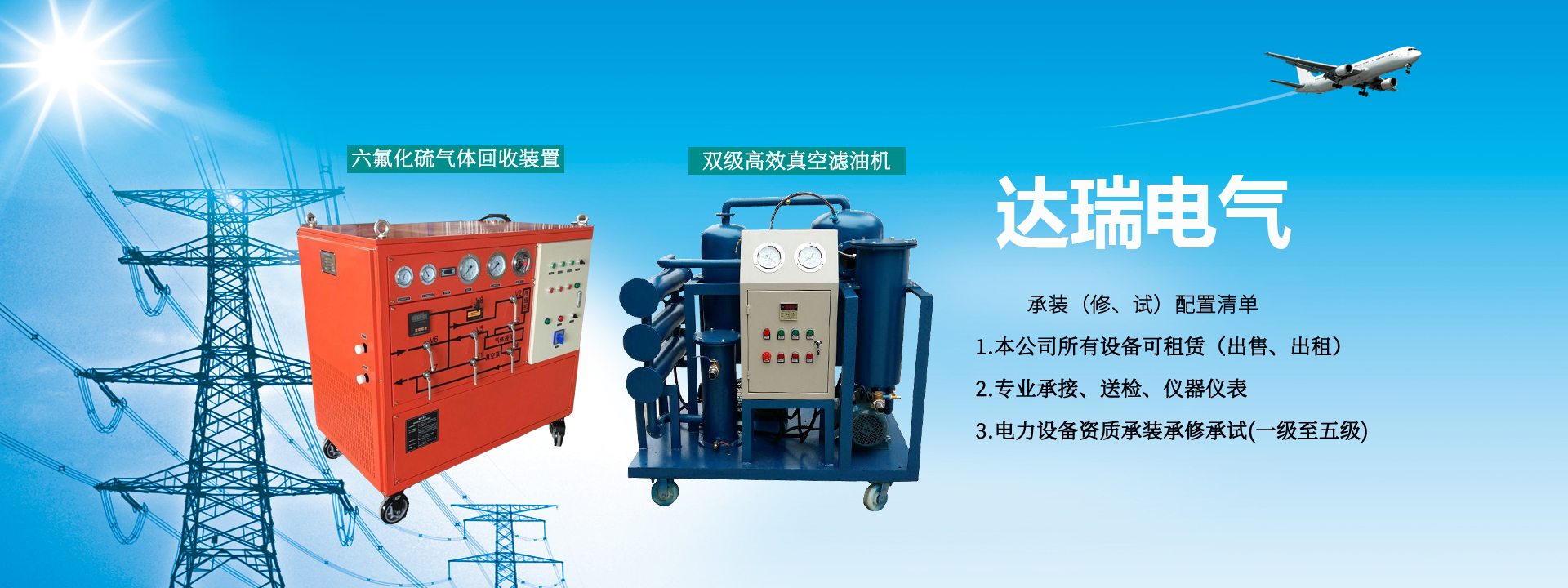
Ensure the output air reaches the required dryness level. This equipment is widely used in industrial production, laboratory environments, and medical fields because dry air can prevent corrosion, reduce equipment failures, and improve process efficiency. Below is a detailed introduction to the air dry generator:
Working Principle
Air dry generators primarily remove moisture from compressed air through physical adsorption or chemical reactions. Common technologies include:
Adsorption drying: Uses adsorbents (such as silica gel, activated alumina, or molecular sieves) to adsorb water vapor from the air. When moist air flows through the adsorption bed, moisture is absorbed by the adsorbent, producing dry air. The adsorbent needs periodic regeneration to restore its adsorption capacity.
Refrigeration drying: Utilizes a refrigeration system to cool compressed air below the dew point, causing water vapor to condense into liquid water and be discharged. Afterward, the air is reheated to prevent freezing in the pipes.
Membrane separation drying: Uses special semipermeable membrane materials that allow small gas molecules (such as nitrogen and oxygen) to pass through while blocking larger water molecules, achieving drying.
Design Features
High-efficiency dehumidification: Select appropriate drying technology based on different application needs to ensure extremely low dew point temperatures in the output air.
Stable and reliable: High-quality components and advanced control systems ensure long-term stable operation performance.
Automated control: Modern air dry generators are typically equipped with automatic control systems that can adjust operating parameters based on actual conditions, optimizing energy consumption.
Easy maintenance: Modular design facilitates disassembly, cleaning, and component replacement; some models also feature self-diagnostic functions to help users detect potential issues promptly.
Environmental and energy-saving: Utilizes energy-saving technologies and new materials to reduce energy consumption and operating costs while minimizing environmental impact.
Application Fields
Industrial manufacturing: Industries such as automotive manufacturing, electronic assembly, and food processing rely on dry air to protect production equipment from moisture damage and ensure product quality.
Laboratories and research: Precise experimental conditions require constant humidity levels; air dry generators can provide a stable dry environment for laboratories.
Healthcare: Places like hospital operating rooms and pharmaceutical cleanrooms require sterile and dry air environments to ensure patient safety and drug quality.
Precision instruments: High-precision equipment such as optical instruments and measuring tools have strict requirements for the working environment; dry air helps extend the service life of these devices.
Spraying and coating: Dry air can improve paint adhesion and avoid coating defects caused by high humidity.
Usage Precautions
Correct installation: Follow the manufacturer's guidelines for installation, ensuring all connections are secure and leak-free.
Regular maintenance: Develop a reasonable maintenance plan based on usage frequency and environmental conditions, including cleaning filters and checking seals.
Monitor operating status: Real-time monitoring of the air dry generator's working parameters, such as pressure, temperature, and dew point, to promptly address any issues.
Safety protection: Adhere to all safety regulations, especially for high-pressure or high-temperature applications, and take appropriate safety measures.
Adapt to environmental changes: Consider the impact of seasonal climate changes on equipment performance and adjust settings accordingly to maintain optimal drying results.
Future Development Trends
With technological advancements, future air dry generators may develop in the following directions:
Increased intelligence: Introducing more automation features such as remote monitoring and fault diagnosis to simplify operations and improve reliability.
Multi-functional integration: Developing comprehensive solutions that integrate multiple purification functions to meet the needs of different application scenarios.
Green and eco-friendly design: Optimizing hardware structure and working modes to further reduce energy consumption and environmental impact.
Application of new materials: Exploring new adsorbents and other materials to improve drying efficiency and durability.
Big data applications: Combining emerging technologies like the Internet of Things (IoT) and cloud computing to achieve massive data analysis and predictive maintenance, further improving work efficiency and service quality.
If you are writing an article about air dry generators, the above content should provide you with a comprehensive and in-depth understanding. If there are more specific topics or details you wish to explore, please feel free to let me know.