
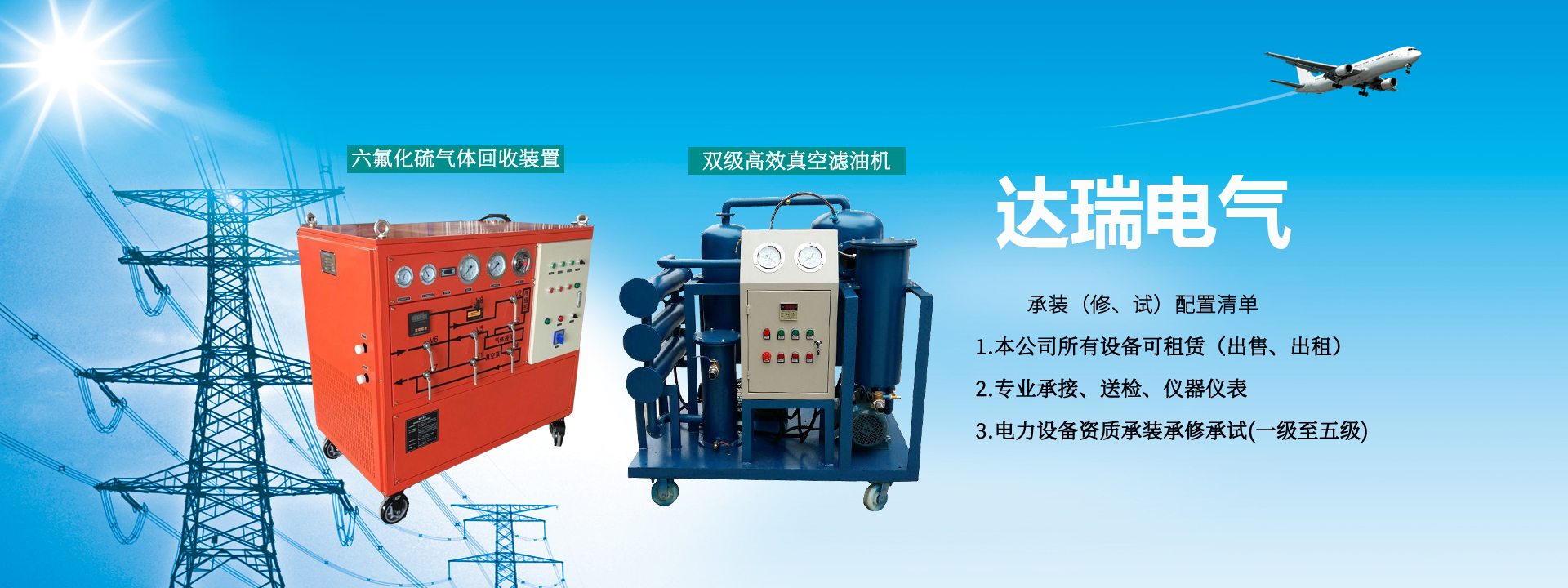
widely used in petroleum, chemical, machinery, electric power, metallurgy and other industries, for processing and recycling various oil products. This article will introduce the working principles, structural characteristics, application fields, and usage precautions of these two types of equipment respectively.
Oil Filter
Working Principle
The oil filter is mainly used to remove impurities from oil, such as moisture, particulate matter, and colloids, to restore the cleanliness and performance of the oil. Its basic working principle is as follows:
Pre-filtration: The oil first passes through a coarse filter screen to remove larger impurities.
Fine filtration: The oil passes through multi-stage filters to gradually remove finer particles.
Dehydration: Some oil filters are also equipped with a vacuum dehydration device, which removes moisture from the oil through vacuum evaporation.
Regeneration: Some advanced oil filters also have oil regeneration functions, which restore the performance of the oil through chemical or physical methods.
Structural Characteristics
Filtration system: Includes coarse filter screens, fine filters, filter cartridges, etc., and filter materials with different pore sizes can be selected as needed.
Vacuum system: Vacuum pump and vacuum tank used for dehydration, which can effectively remove moisture from the oil.
Heating system: Heats the oil through electric heaters to improve dehydration and filtration efficiency.
Control system: Includes temperature sensors, pressure sensors, flow meters, etc., to achieve automated control and monitoring.
Safety protection: Equipped with overload protection, leakage protection, high-temperature protection, and other devices to ensure safe operation of the equipment.
Application Fields
Electric power industry: Used for purification treatment of transformer oil, switch oil, etc.
Machinery industry: Used for filtration and regeneration of hydraulic oil, gear oil, etc.
Petroleum industry: Used for purification treatment of crude oil, diesel, etc.
Metallurgy industry: Used for filtration and regeneration of rolling oil, lubricating grease, etc.
Advantages
High-efficiency filtration: The multi-stage filtration system can effectively remove various impurities from the oil.
Strong dehydration capability: The vacuum dehydration system can thoroughly remove moisture from the oil.
High degree of automation: The control system enables automated operation, reducing manual intervention.
Easy maintenance: Compact structure, easy to clean and replace filter cartridges.
Usage Precautions
Regular inspection: Regularly check the condition of filters and filter cartridges, and replace damaged parts in a timely manner.
Temperature control: Ensure that the temperature of the heating system is within a safe range to avoid overheating of the oil.
Operation training: Operators should receive professional training and be familiar with the operation methods and safety precautions of the equipment.
Comply with safety regulations: Strictly follow relevant safety operation procedures during use to ensure the safety of personnel and equipment.
Oil Skimmer
Working Principle
The oil skimmer is mainly used to recover floating oil on water surfaces or on the ground, preventing oil pollution from spreading and protecting the environment. Its basic working principle is as follows:
Oil absorption: Floating oil on the water surface is absorbed through materials such as oil-absorbing belts or oil-absorbing felts.
Conveying: The oil-absorbing material conveys the absorbed oil to a collection tank.
Separation: Some oil skimmers are also equipped with oil-water separation devices, which separate oil and water through gravity or centrifugal separation.
Storage: The collected oil is stored in a collection tank for subsequent treatment and recycling.
Structural Characteristics
Oil absorption device: Includes oil-absorbing belts, oil-absorbing felts, oil-absorbing ropes, etc., and appropriate oil-absorbing materials are selected according to different application scenarios.
Conveying system: Includes conveyor belts, rollers, etc., to convey the absorbed oil to the collection tank.
Oil-water separation device: Separates oil and water through gravity or centrifugal separation.
Control system: Includes motors, sensors, controllers, etc., to achieve automated operation and monitoring.
Safety protection: Equipped with overload protection, leakage protection, and other devices to ensure safe operation of the equipment.
Application Fields
Petroleum industry: Used for oil spill recovery at oil wells, refineries, and other sites.
Chemical industry: Used for oil spill recovery from chemical reactors, storage tanks, and other equipment.
Shipping industry: Used for oil spill recovery from ships to prevent marine pollution.
Environmental protection industry: Used for oil spill recovery at sewage treatment plants, rivers, lakes, and other places.
Advantages
High-efficiency oil recovery: The oil-absorbing material has good oil absorption performance and can quickly absorb floating oil on the water surface.
High degree of automation: The control system enables automated operation, reducing manual intervention.
Strong environmental friendliness: Effectively recovers oil spills and prevents environmental pollution.
Easy maintenance: Compact structure, easy to clean and replace oil-absorbing materials.
Usage Precautions
Regular inspection: Regularly check the condition of oil-absorbing materials and the conveying system, and replace damaged parts in a timely manner.
Clean the collection tank: Regularly clean the oil in the collection tank to prevent overflow.
Operation training: Operators should receive professional training and be familiar with the operation methods and safety precautions of the equipment.
Comply with safety regulations: Strictly follow relevant safety operation procedures during use to ensure the safety of personnel and equipment.
Conclusion
Oil filters and oil skimmers play important roles in industrial production and environmental protection. Oil filters effectively remove impurities and moisture from oil through multi-stage filtration and dehydration systems, restoring oil performance; oil skimmers quickly recover floating oil on water surfaces through oil-absorbing materials and conveying systems, preventing environmental pollution. Correctly selecting and using these two types of equipment can not only improve production efficiency but also effectively protect the environment. I hope this article is helpful for you to understand and use oil filters and oil skimmers.