
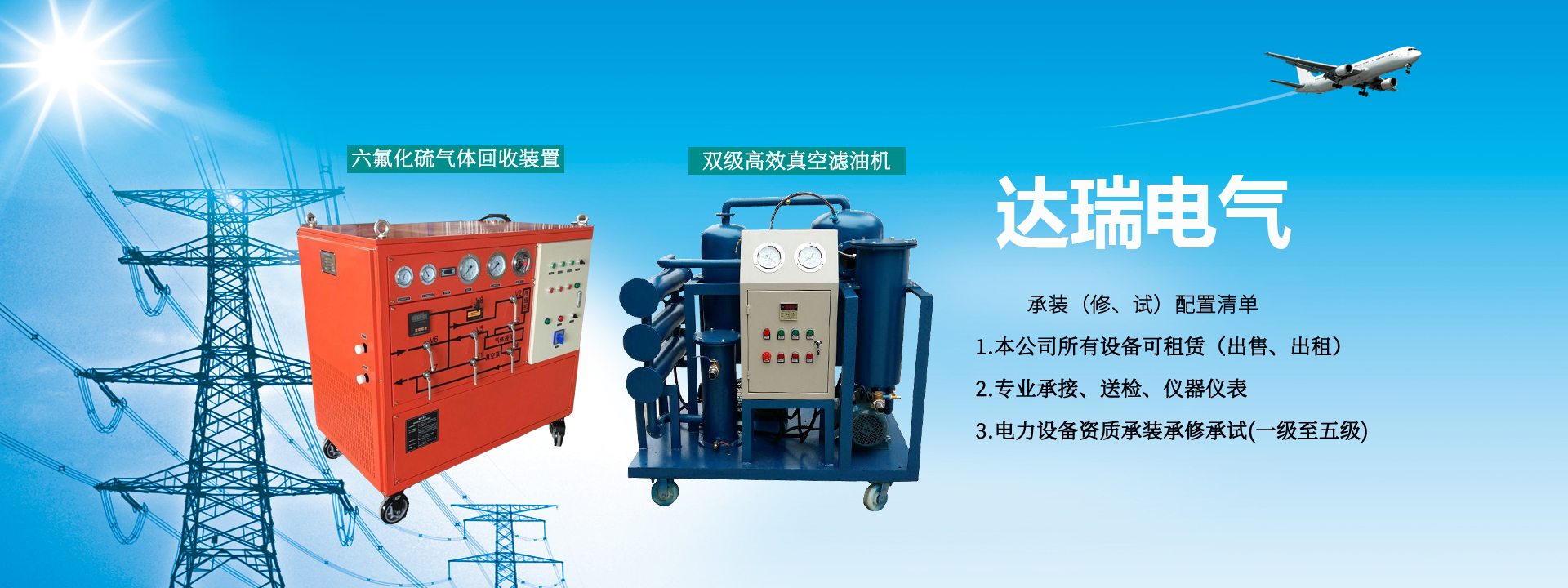
They each play an important role in industrial production and environmental protection. Below is a basic introduction to these two machines and an overview of their application areas.
Oil Filter Machine
Definition and Function
An oil filter machine is a mechanical device used to remove impurities, moisture, and other contaminants from industrial oils such as lubricating oil, hydraulic oil, and transformer oil. By purifying the oil, the oil filter machine can extend the service life of the oil, reduce wear on mechanical equipment, and improve equipment operating efficiency.
Working Principle
Oil filter machines typically use physical filtration methods, employing multi-stage filtration systems to remove solid impurities such as particles, iron filings, and dust from the oil. They can also remove moisture through vacuum dehydration or centrifugal separation. Some high-end oil filter machines are equipped with adsorbents or catalysts to further remove acidic substances and oxidation products from the oil.
Types and Applications
Oil filter machines can be classified into various types based on the filtering object and usage environment, such as hydraulic oil filter machines, lubricating oil filter machines, and edible oil filter machines. They are widely used in industries such as mechanical processing, electric power, chemical engineering, and food processing.
Advantages
Improve oil quality: By removing impurities and moisture, the purity of the oil is enhanced.
Extend equipment life: Clean oil reduces wear on mechanical equipment, extending the service life of the equipment.
Energy saving and emission reduction: Reduces the frequency of oil changes, conserves resources, and lowers waste disposal costs.
Oil Skimmer
Definition and Function
An oil skimmer is primarily used to recover floating oil from water surfaces. It is commonly seen in emergency response after oil tanker accidents, routine maintenance at ports and docks, and industrial wastewater treatment. Its main task is to collect spilled oil from the water surface to prevent environmental pollution.
Working Principle
Oil skimmers typically include components such as an oil-absorbing belt, a scraper device, and an oil-water separation unit. The oil-absorbing belt (also known as a collection belt) floats on the water surface and can adsorb oil, which is then scraped off by the scraper device and collected into a storage container. Some oil skimmers are also equipped with oil-water separation devices that can separate oil and water during collection.
Types and Applications
Oil skimmers can be divided into land-based and ship-mounted categories based on the usage occasion. The former is suitable for oil recovery at fixed locations, while the latter is suitable for water operations, such as oil spill cleanup in rivers, lakes, and oceans.
Advantages
Environmental benefits: Effectively reduces the impact of oil pollution on the water environment.
Economic value: Recovered oil can be treated and reused, providing certain economic benefits.
Flexibility: Different types of oil skimmers can adapt to various working environments and flexibly respond to different oil spill incidents.
In summary, oil filter machines and oil skimmers are both professional equipment designed to improve oil quality and environmental protection. Oil filter machines focus on the purification of industrial oils, while oil skimmers specialize in the collection and treatment of oil pollution on water surfaces. With technological advancements, these devices are becoming more powerful and easier to operate, contributing to the sustainable development of related industries.