Sulfur hexafluoride (SF6) is a colorless, odorless, non-toxic, and non-flammable inert gas. Due to its excellent electrical insulation properties and arc-extinguishing capability, it is widely used in high-voltage switchgear, transformers, circuit breakers, and other electrical equipment. However, SF6 is also a potent greenhouse gas with an extremely high global warming potential (GWP), approximately 23,500 times that of carbon dioxide. Therefore, the management of SF6 emissions has become particularly important. Vacuuming and recovery technology is a crucial part of managing SF6 gas. This article will explore the process and importance of SF6 vacuuming and recovery.
The Importance of SF6 Vacuuming and Recovery
Environmental Protection: Reducing SF6 emissions helps slow down the pace of global warming.
Cost Savings: SF6 is expensive, and recycling and reusing it can significantly reduce operational costs.
Regulatory Compliance: Many countries and regions have established strict laws and regulations to limit the use and emission of SF6.
Vacuuming and Recovery Process
The SF6 vacuuming and recovery generally includes the following steps:
Vacuuming: First, the air and other impurities inside the equipment need to be evacuated to reduce humidity and contamination levels. This step is usually completed using a vacuum pump.
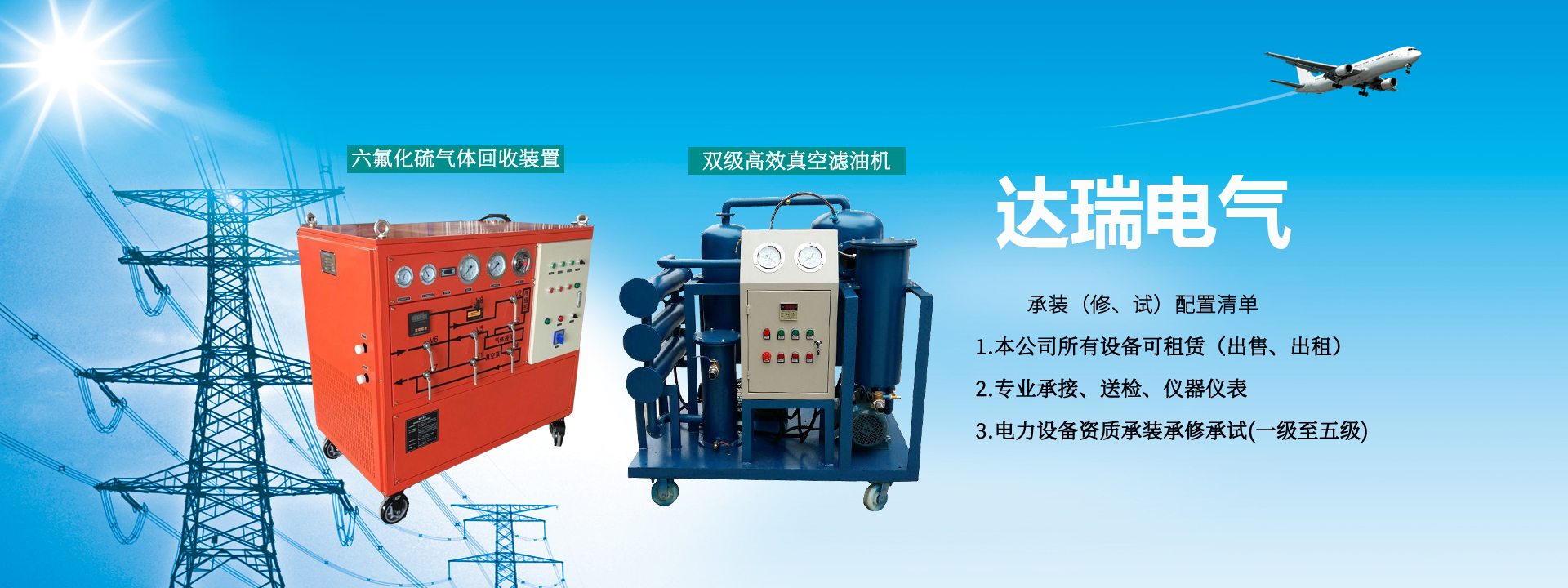
Gas Recovery: Next, a dedicated SF6 recovery device is used to extract the SF6 gas from the equipment. These devices are equipped with filtration systems that can remove moisture and impurities from the SF6.
Gas Purification: The recovered SF6 gas needs to undergo purification treatment to remove any potential contaminants. Common purification methods include adsorption, condensation, membrane separation, etc.
Storage and Reuse: The purified SF6 gas can be stored in dedicated cylinders and refilled into equipment when needed.
Technical Requirements and Precautions
Equipment Selection: Choosing appropriate vacuuming and recovery equipment is crucial; the equipment should have good sealing performance and high recovery efficiency.
Operational Procedures: Operators need to receive professional training to ensure that vacuuming and recovery operations are carried out according to correct procedures.
Safety Measures: Although SF6 is non-toxic, it can cause suffocation in high concentrations. Therefore, ventilation should be ensured during operations, and appropriate personal protective equipment should be worn.
Regular Maintenance: Recovery equipment needs regular maintenance and calibration to ensure its normal operation.
Conclusion
With the increasing awareness of environmental protection and the increasingly stringent relevant laws and regulations, the application of SF6 vacuuming and recovery technology is becoming more and more important. By scientifically and reasonably managing and recovering SF6 gas, not only can the environment be effectively protected, but also economic benefits can be brought to enterprises. In the future, with technological advancements, the efficiency and effectiveness of SF6 recovery and reuse will be further improved, contributing to the achievement of sustainable development goals.
When writing an article about SF6 vacuuming and recovery, in addition to introducing the above content, specific case analyses can also be combined to explore how different industries implement effective SF6 management strategies, as well as the application prospects of new technologies in this field.