
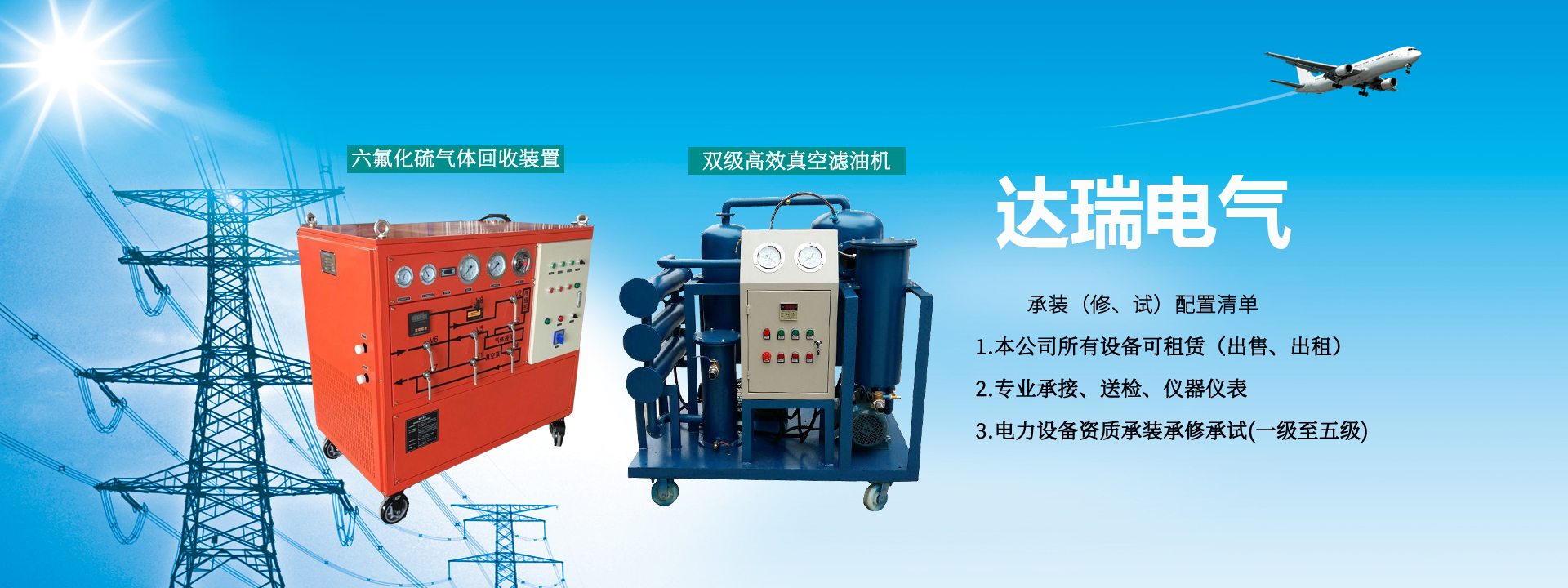
In industrial production and maintenance, the quality of oil (such as lubricating oil, hydraulic oil, transformer oil, etc.) directly affects the performance and lifespan of mechanical equipment. Oil filters and oil skimmers, as key equipment for oil treatment, respectively undertake the important tasks of purifying and recovering oil, playing an irreplaceable role in maintaining oil cleanliness, reducing wear, and extending equipment service life.
Oil Filter: The Guardian of Oil
An oil filter is a device that removes impurities, moisture, and oxidation byproducts from oil through physical or chemical methods. Its working principles are diverse, including gravity filtration, centrifugal separation, pressure filtration, vacuum distillation, and mass transfer technologies, among which vacuum oil filters are highly favored for their efficiency and wide applicability.
Working Process
Preliminary Filtration: The oil first enters a primary filter to remove larger solid particles.
Heating and Evaporation: Subsequently, the oil is heated to enhance fluidity, and promote the evaporation of moisture.
Deep Filtration: The heated oil passes through multi-stage filters to remove fine particles and suspended solids.
Moisture Separation: Vacuum technology is used to accelerate the evaporation of moisture in the oil, achieving oil-water separation.
Oil Recovery: The purified oil is collected and prepared for reuse.
Oil Skimmer: The Pioneer of Oil Recovery
Oil skimmers are mainly used to collect and recover leaked or spilled oil, including oil film recovery from ground and water surfaces. Against the backdrop of environmental protection and resource conservation, the application of oil skimmers is increasingly widespread. They can quickly and effectively recover oil, reduce pollution, and also save costs.
Working Principle
Oil skimmers typically utilize the density difference between oil and water or other media, using oil-absorbing pads, oil-absorbing ropes, oil film scrapers, and other methods to separate oil from mixed media. Some oil skimmers are also equipped with filtration systems to further purify the recovered oil, making it suitable for recycling.
Application Scenarios
Oil filters and oil skimmers play important roles in multiple industries:
Manufacturing: In fields such as mechanical processing, power equipment, and automobile manufacturing, oil filters are used to keep oil clean, while oil skimmers are used to handle oil leaks during production processes.
Marine and Ports: In maritime transportation and port operations, oil skimmers are used for rapid cleanup of oil pollution to prevent environmental contamination.
Petrochemical: In petroleum refining and chemical production, oil filters are used to improve oil quality, while oil skimmers are used to recover leaked chemicals.
Maintenance and Care
To ensure the long-term efficient operation of oil filters and oil skimmers, regular maintenance and care are essential:
Clean Filter Components: Regularly clean or replace filter elements to prevent clogging.
Check Sealing: Ensure that the equipment's sealing rings are intact to prevent oil leakage.
Performance Testing: Conduct regular performance tests on the equipment to ensure oil treatment results meet standards.
Storage Conditions: When storing equipment, avoid humid and high-temperature environments to prevent parts from aging.
Conclusion
Oil filters and oil skimmers, as the dual combination of industrial oil treatment, jointly ensure the quality of oil and the cleanliness of the environment. With the advancement of industrial technology, future oil filters and oil skimmers will become more intelligent and efficient, making greater contributions to the sustainable development of industrial production. Whether it is performance optimization or operational convenience, significant improvements will be achieved, bringing users higher economic and environmental benefits.